







Dear Ben,
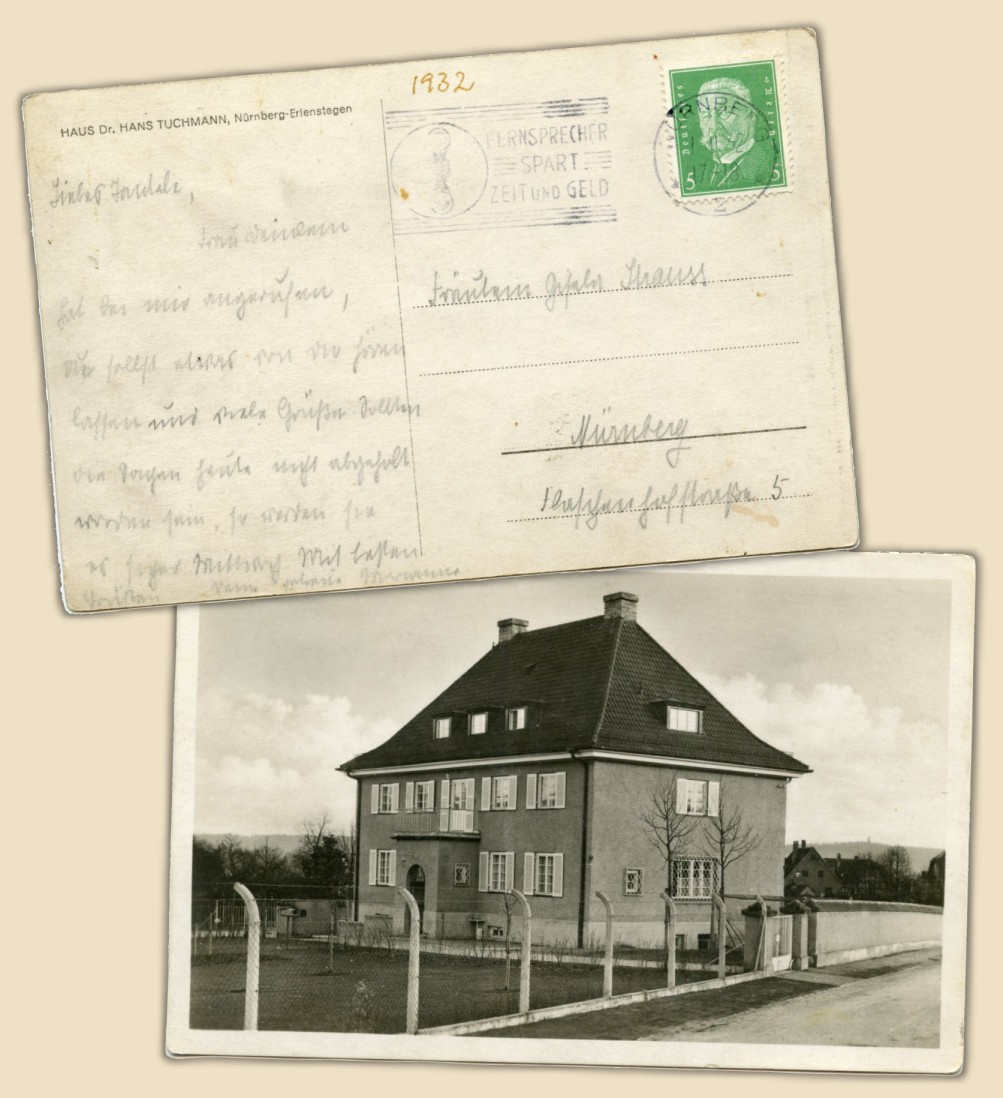
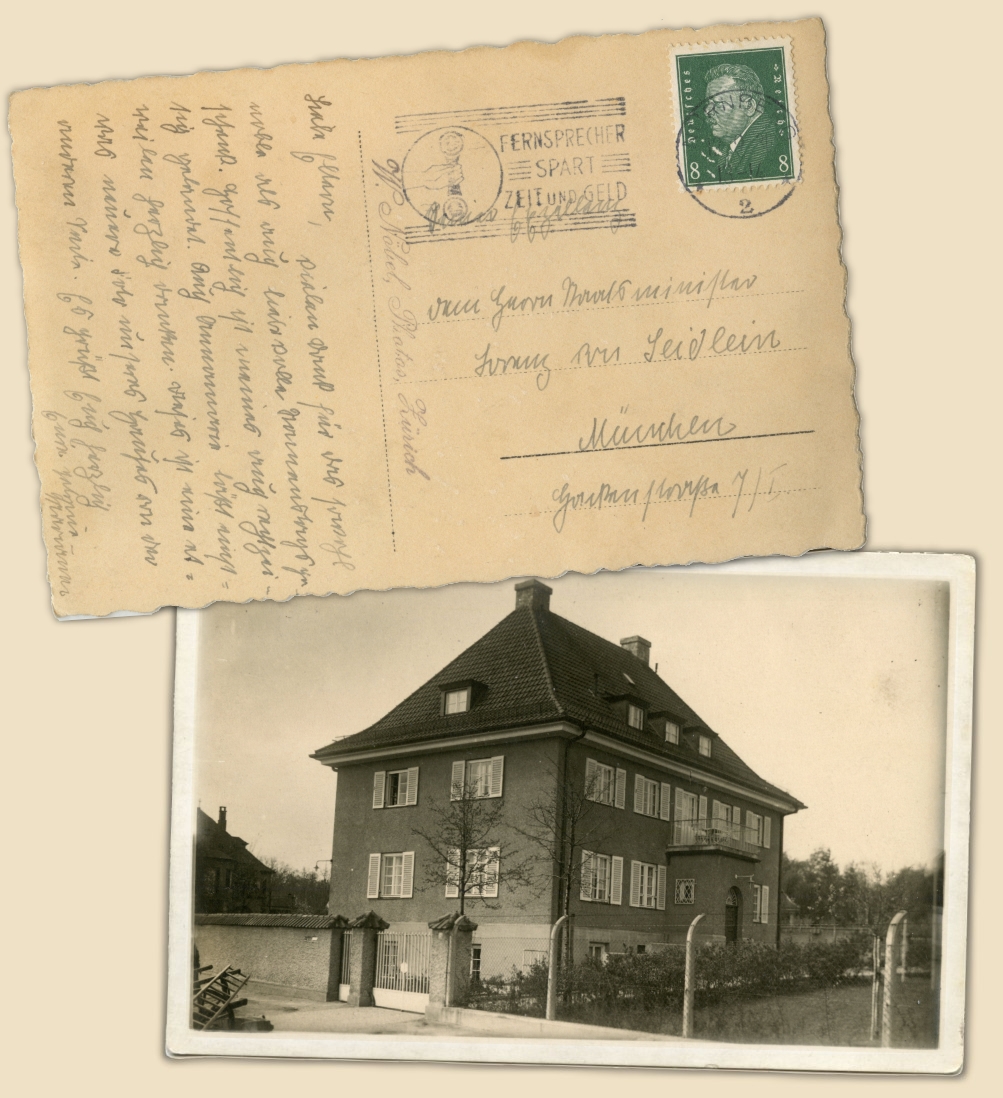
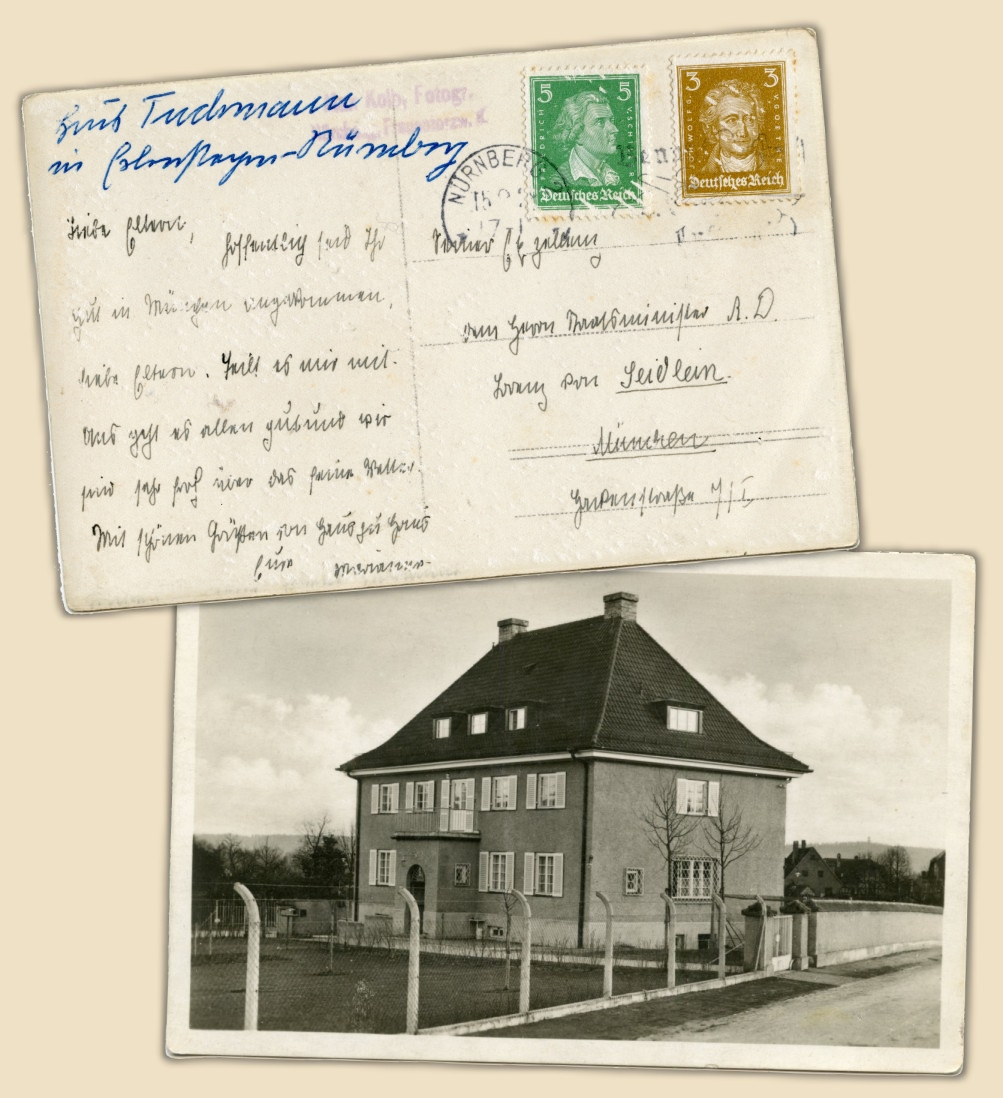
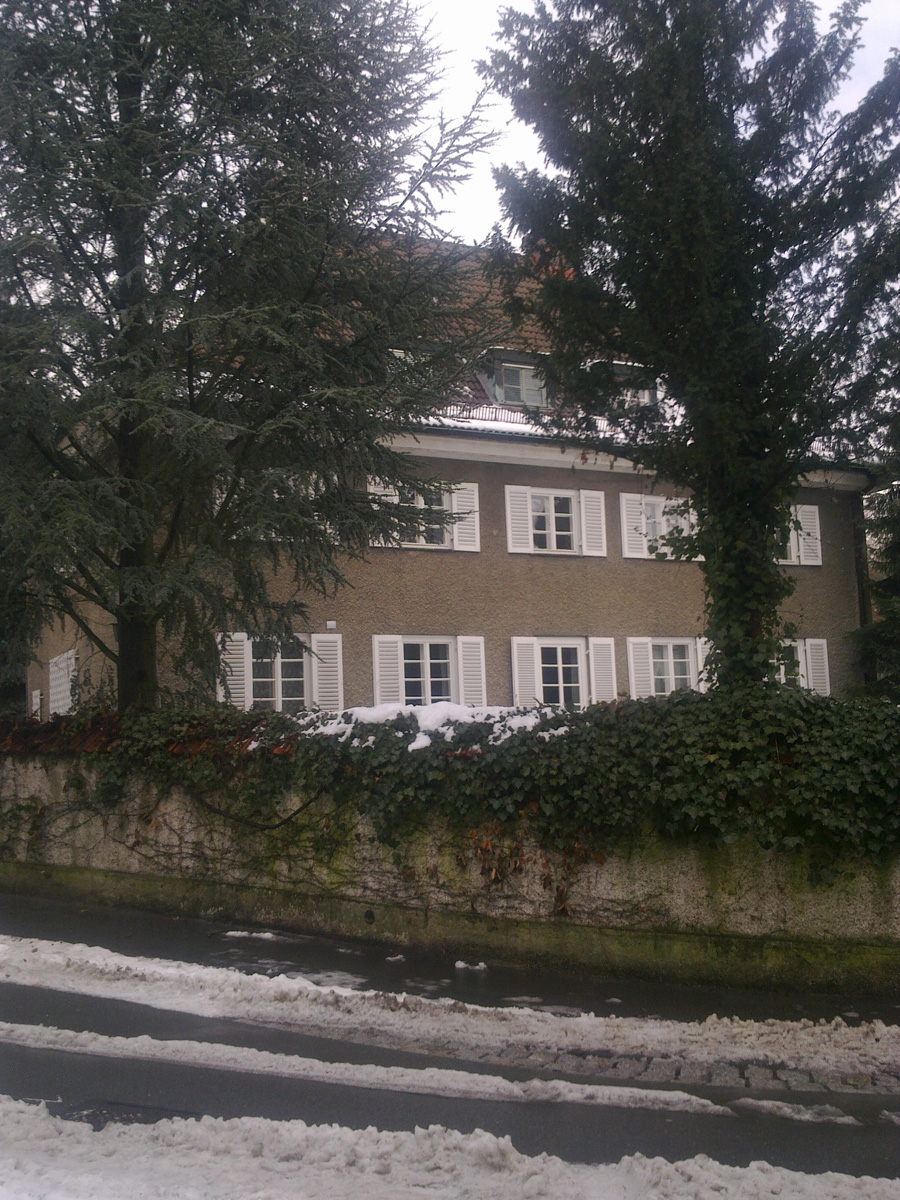
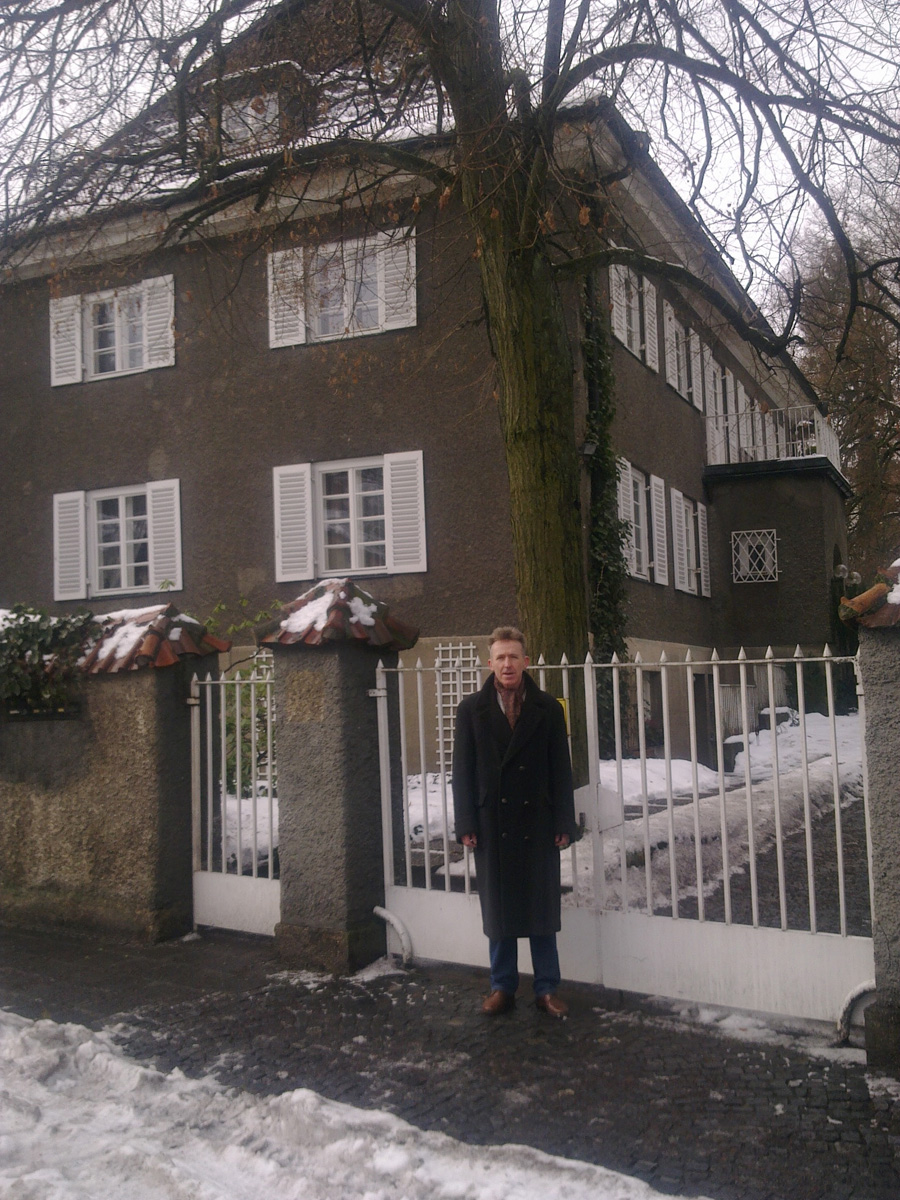
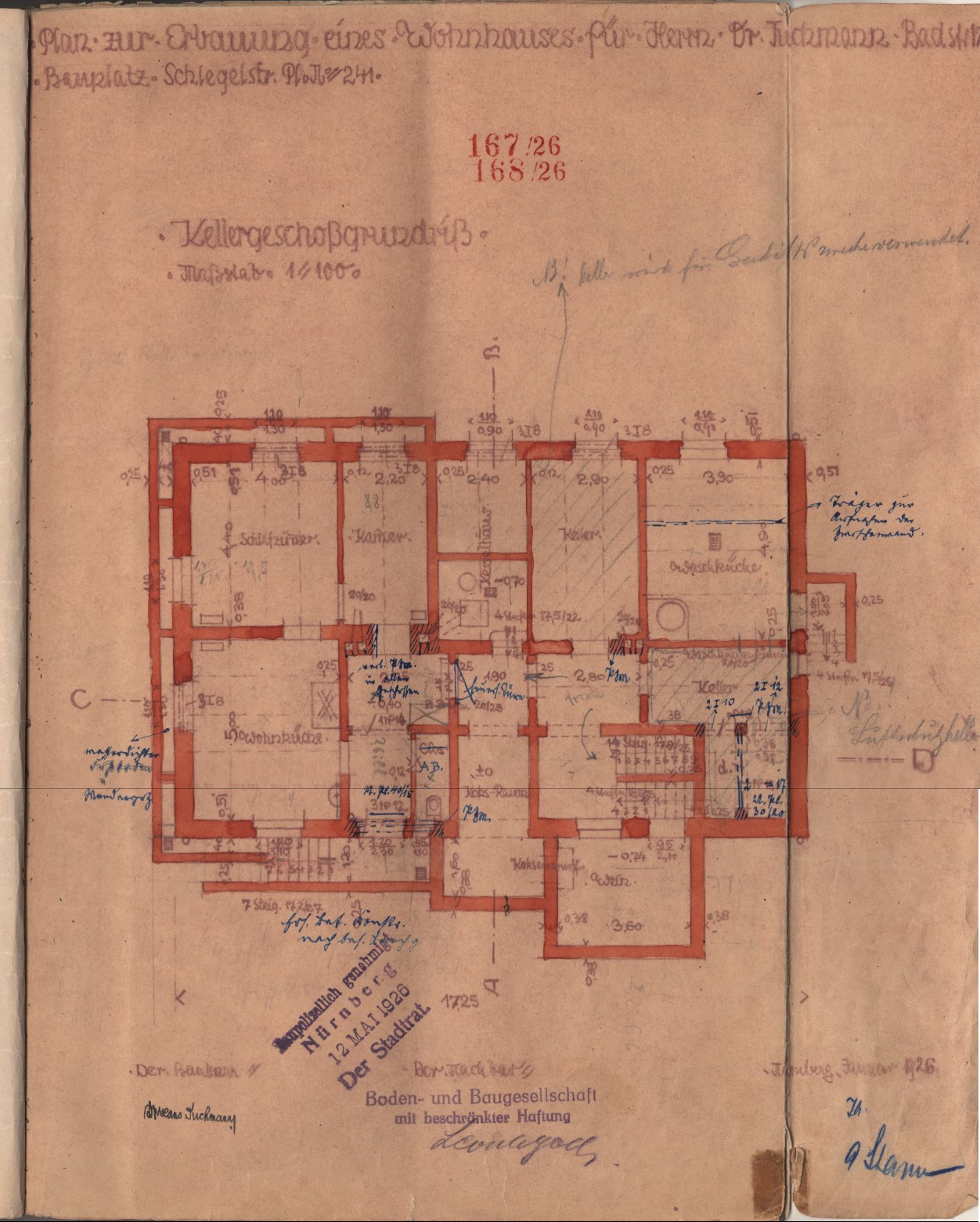
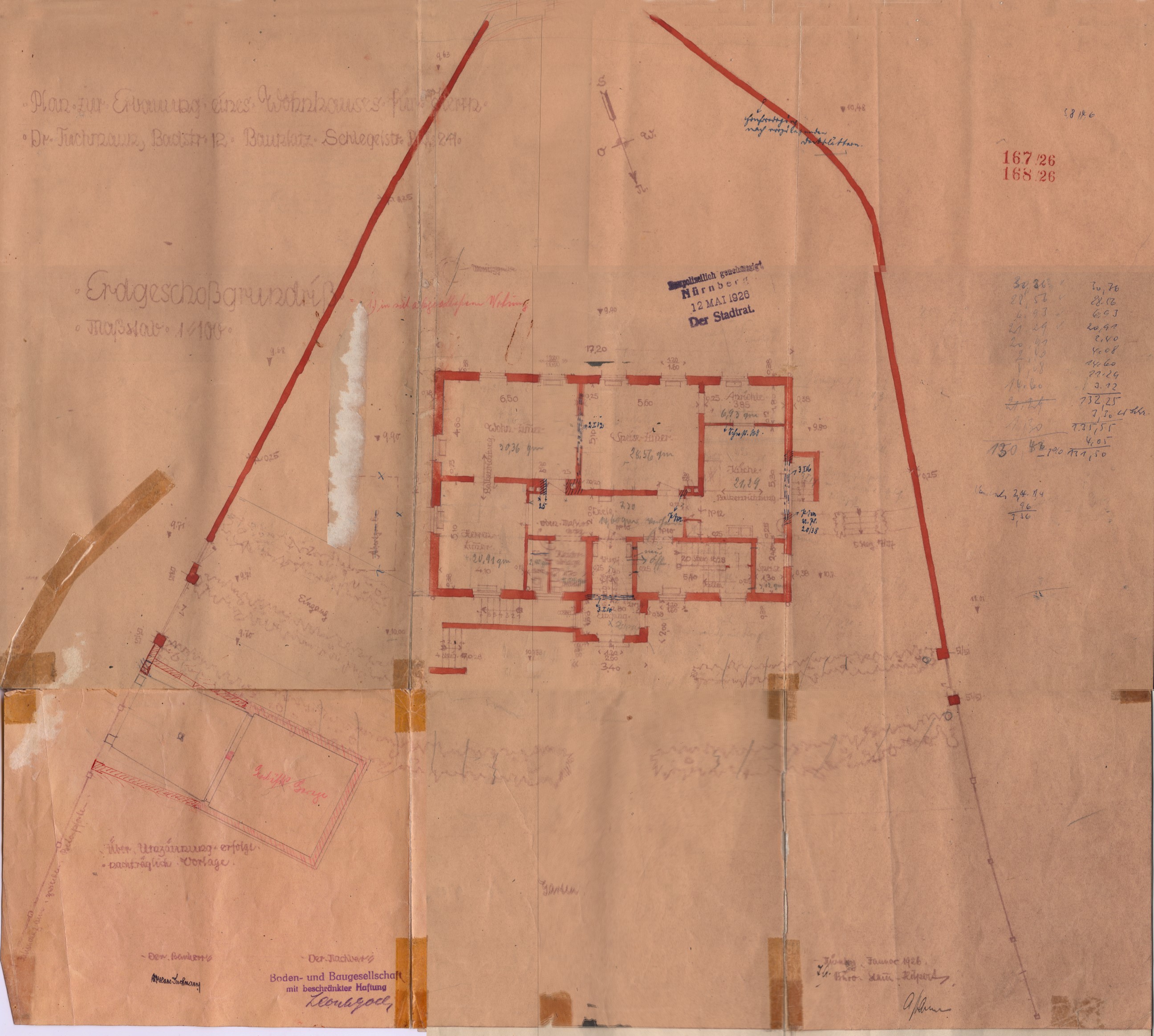
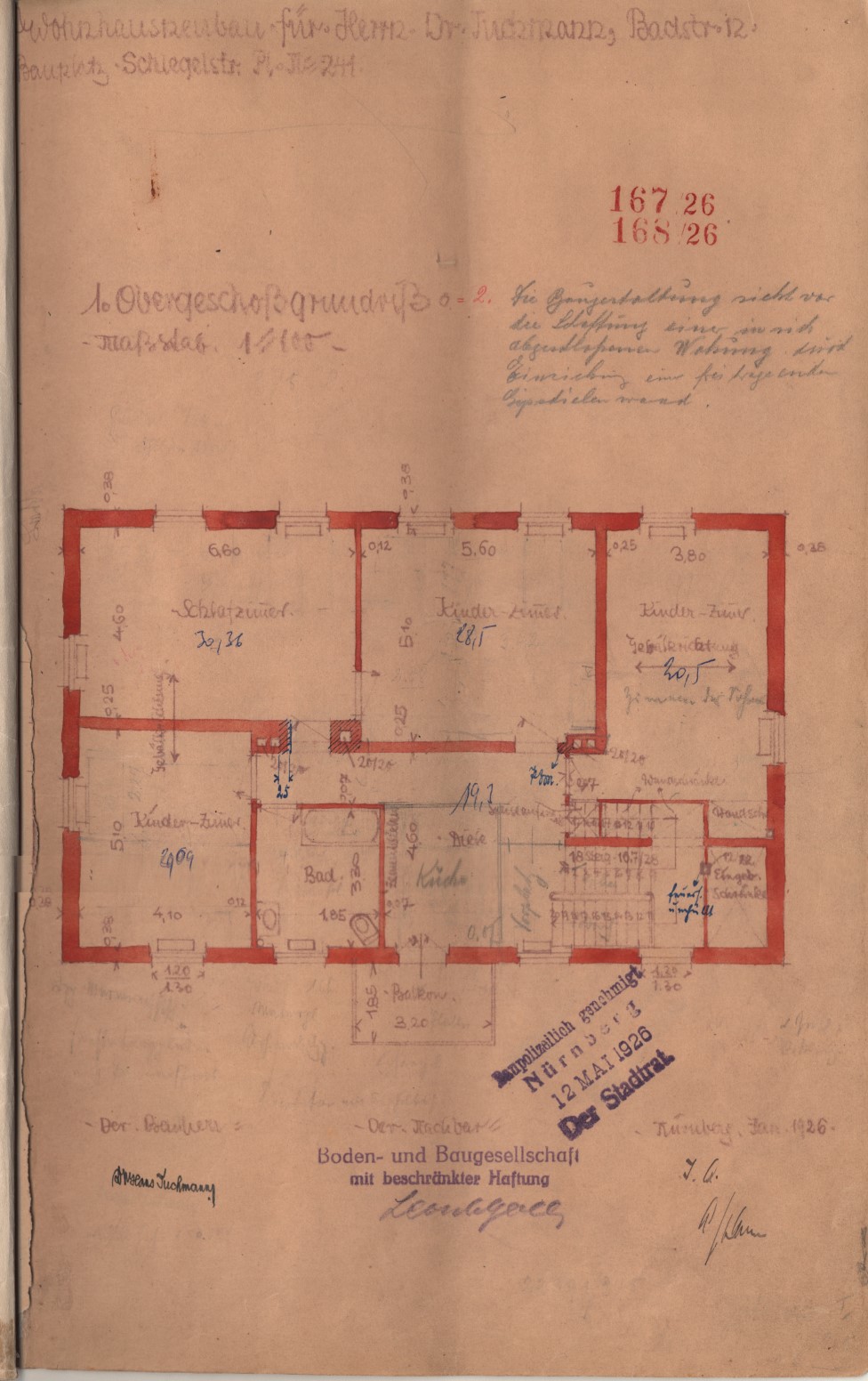
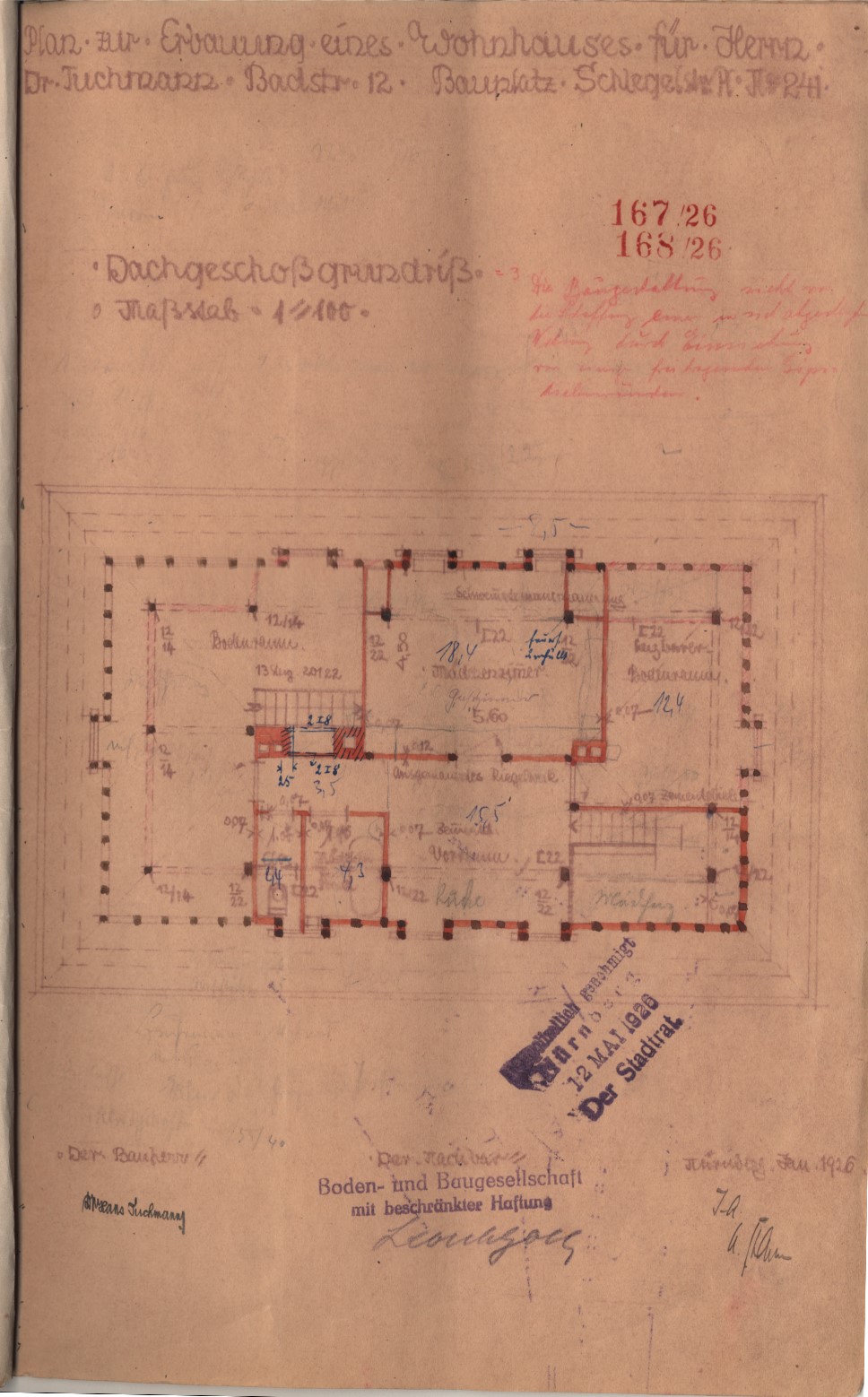
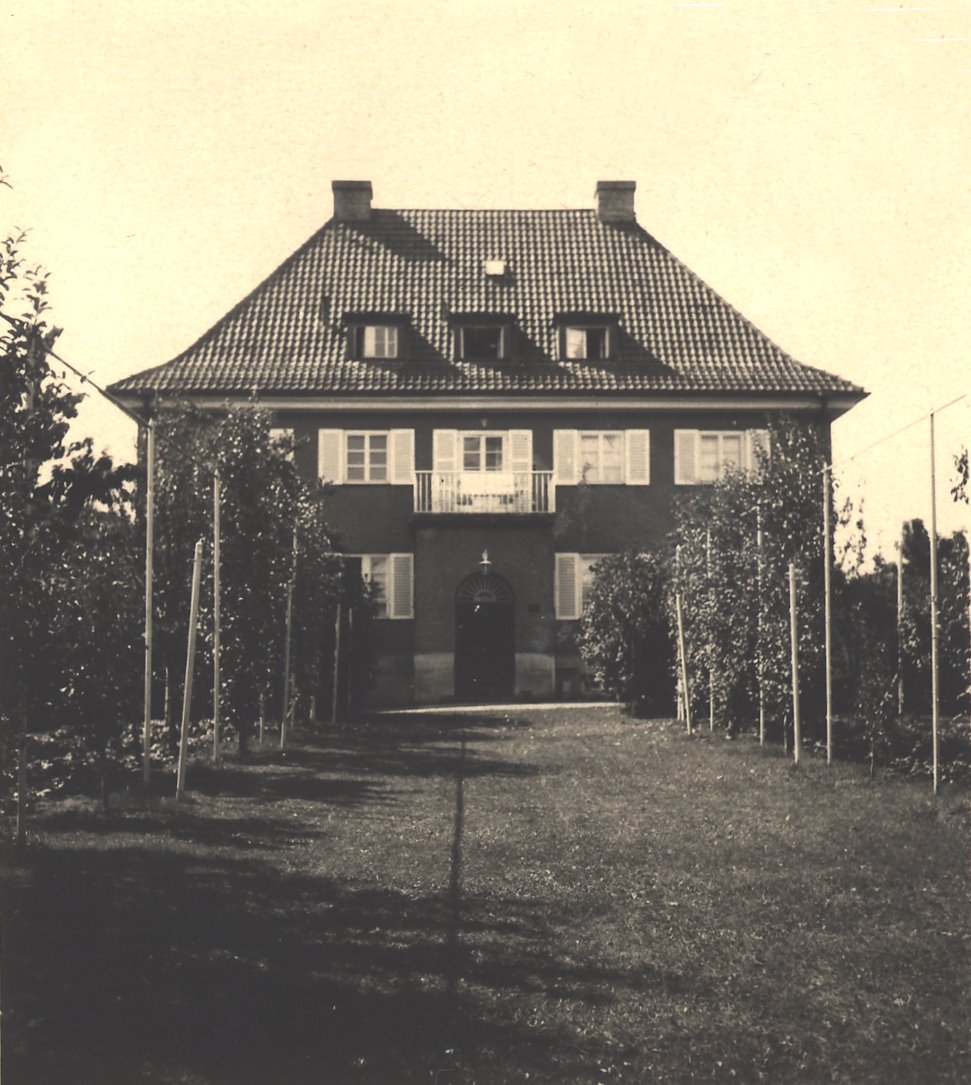
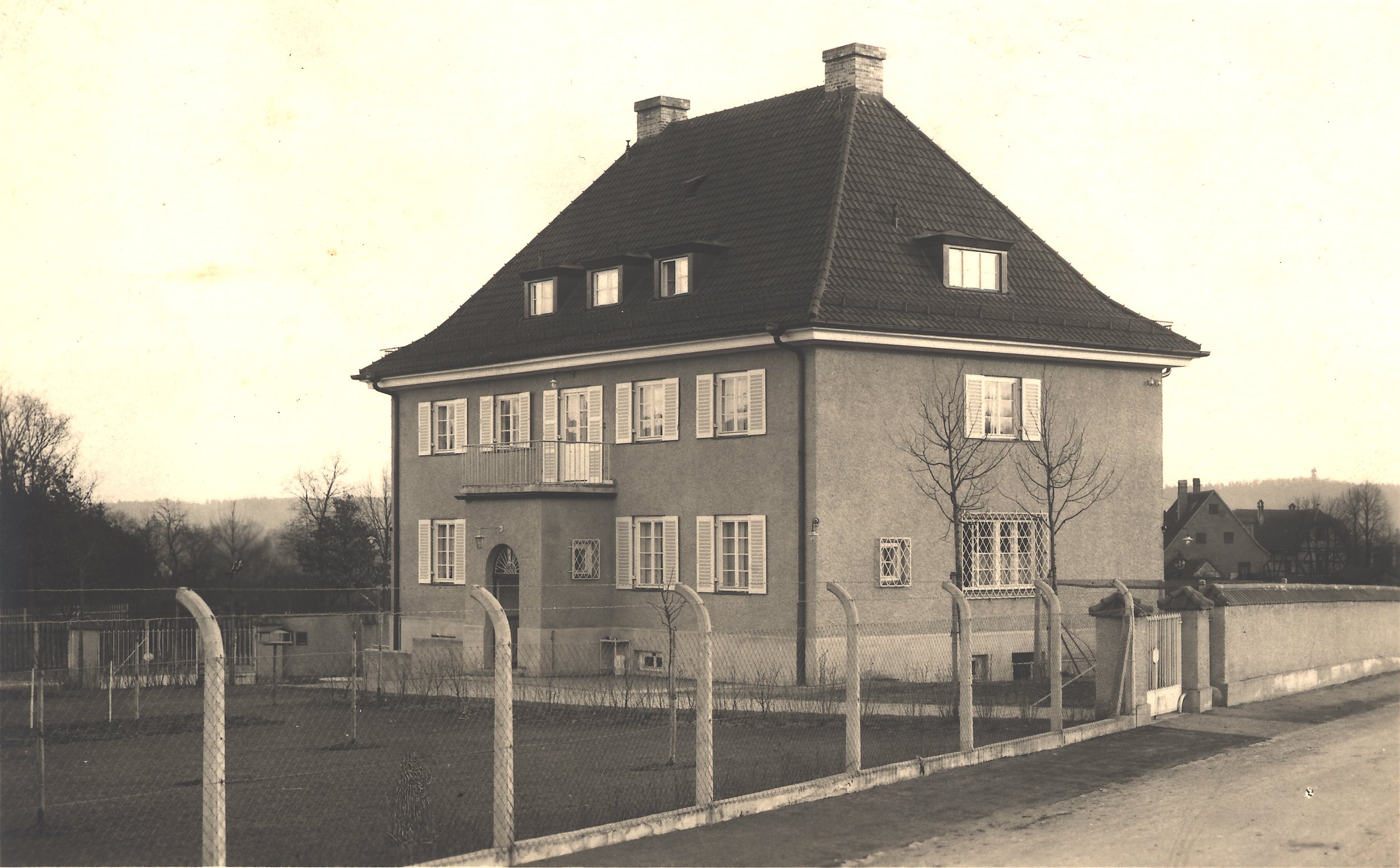
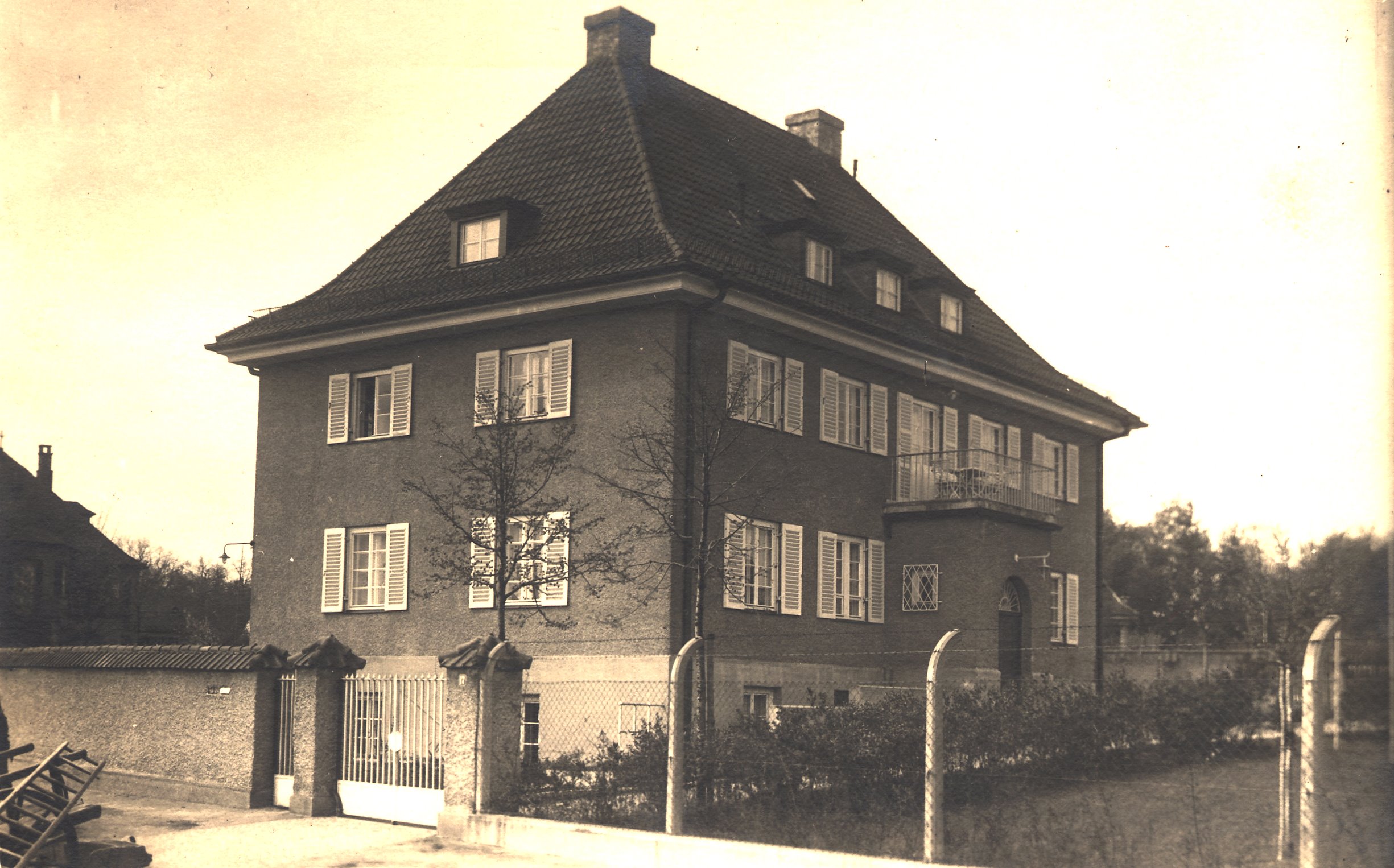
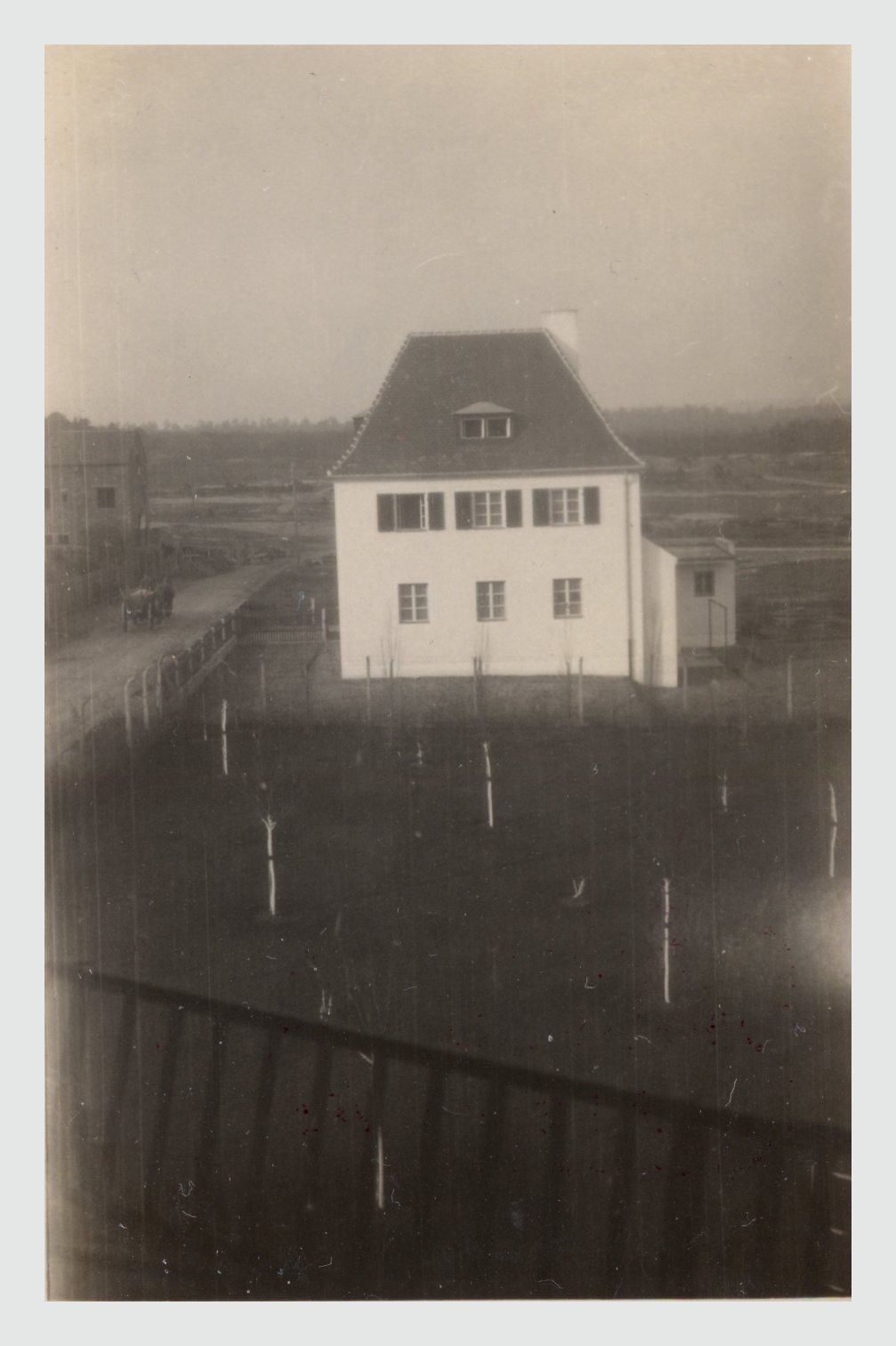
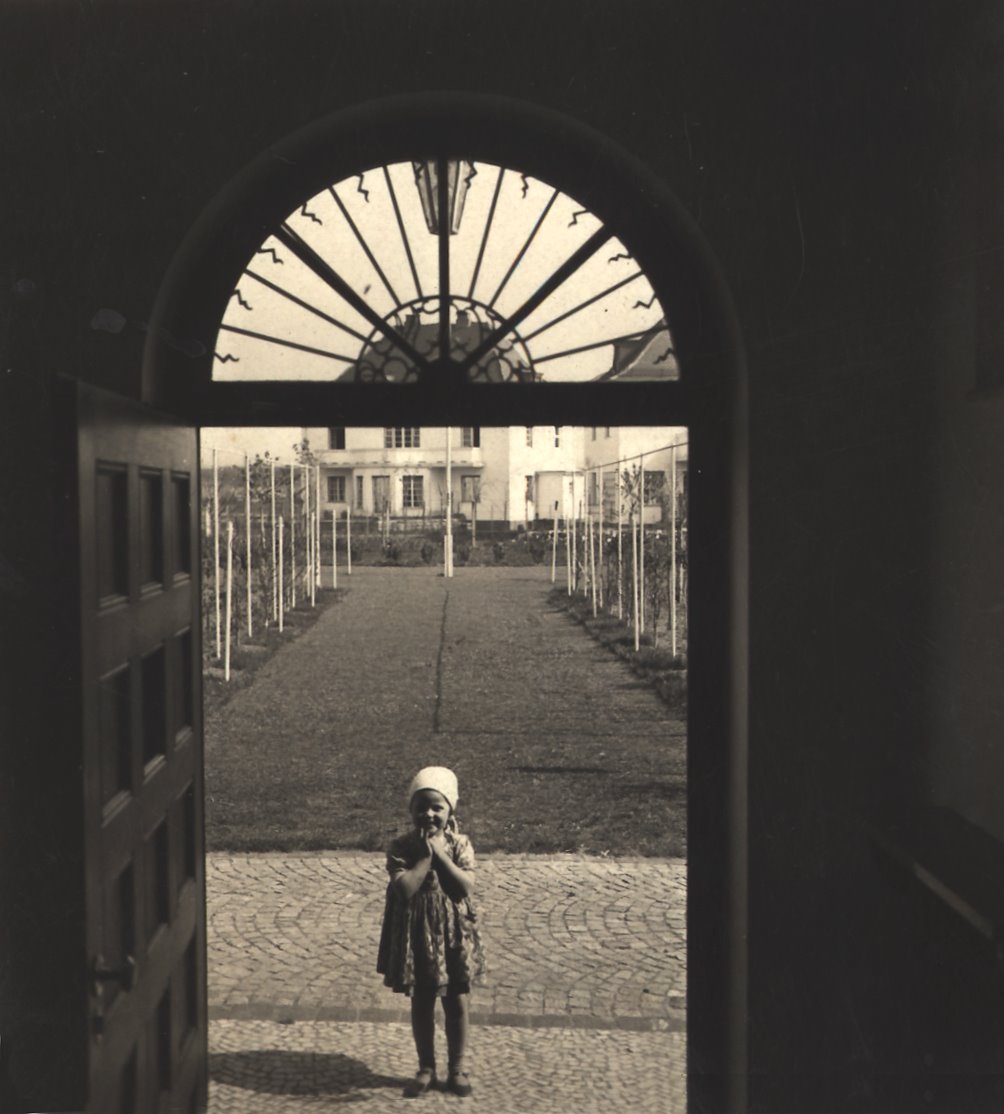
thank you very much for your email. It's a pleasure to let you and your aunt know what I know about the Schlegelstraße 17.
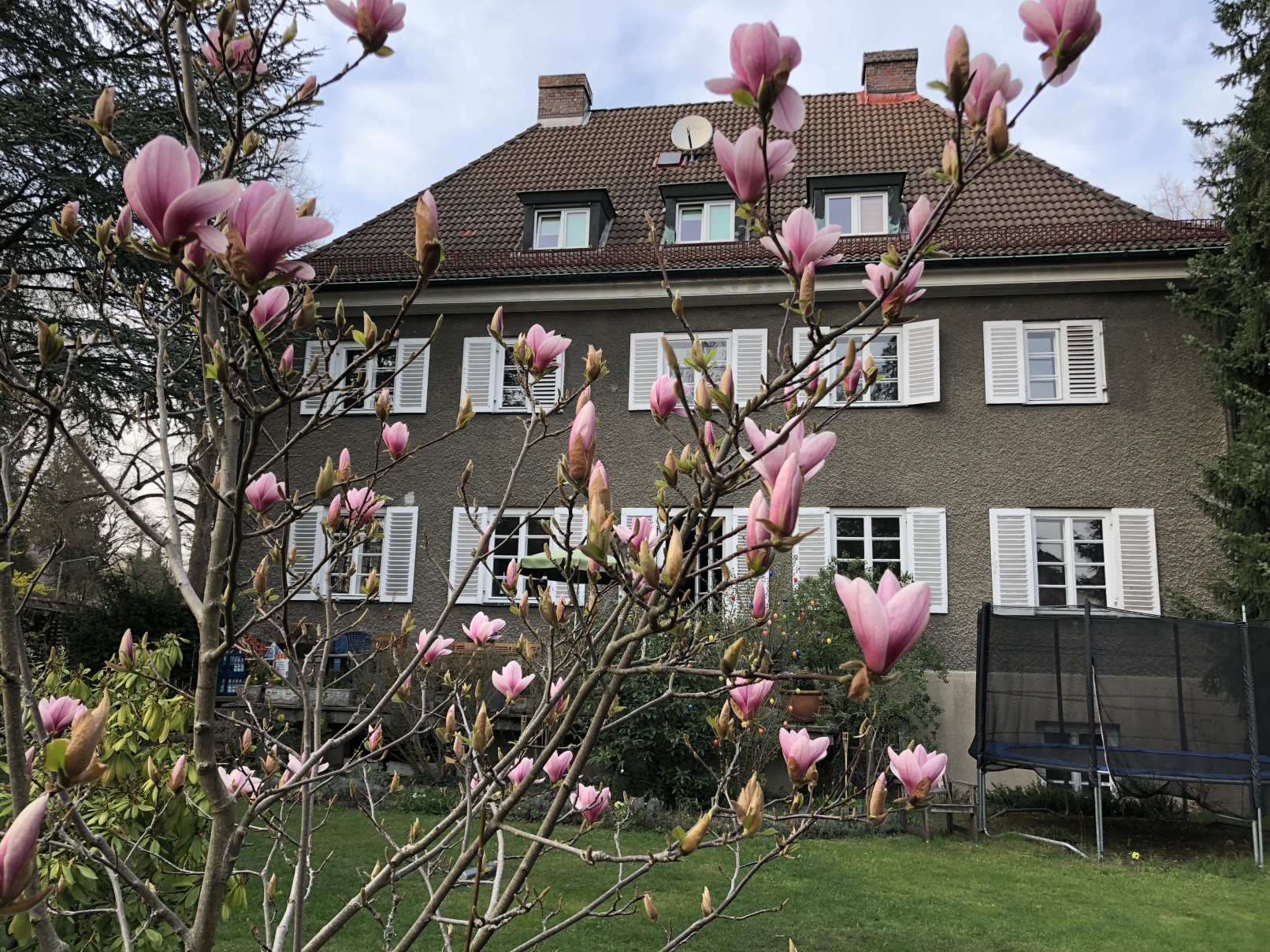
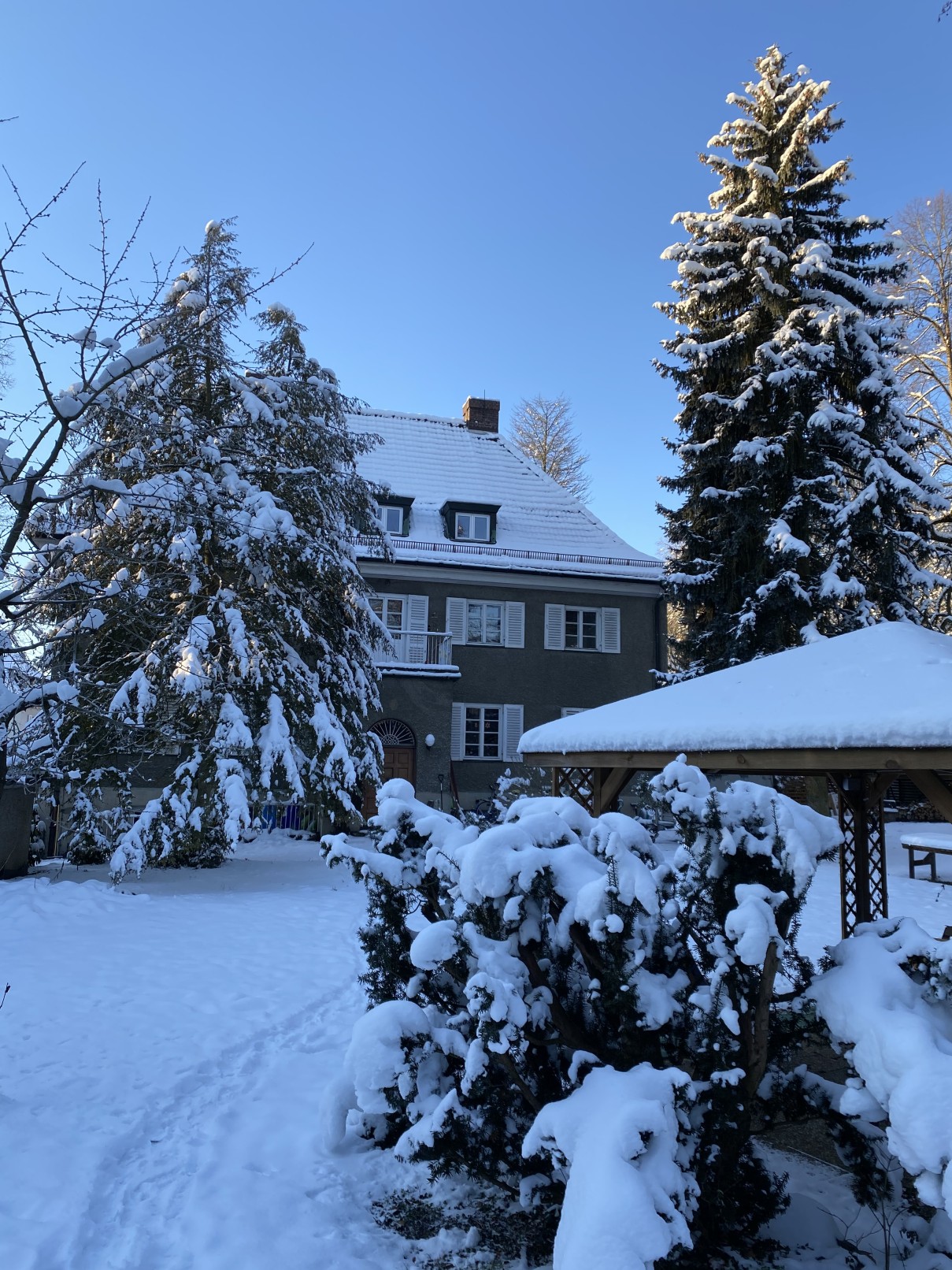
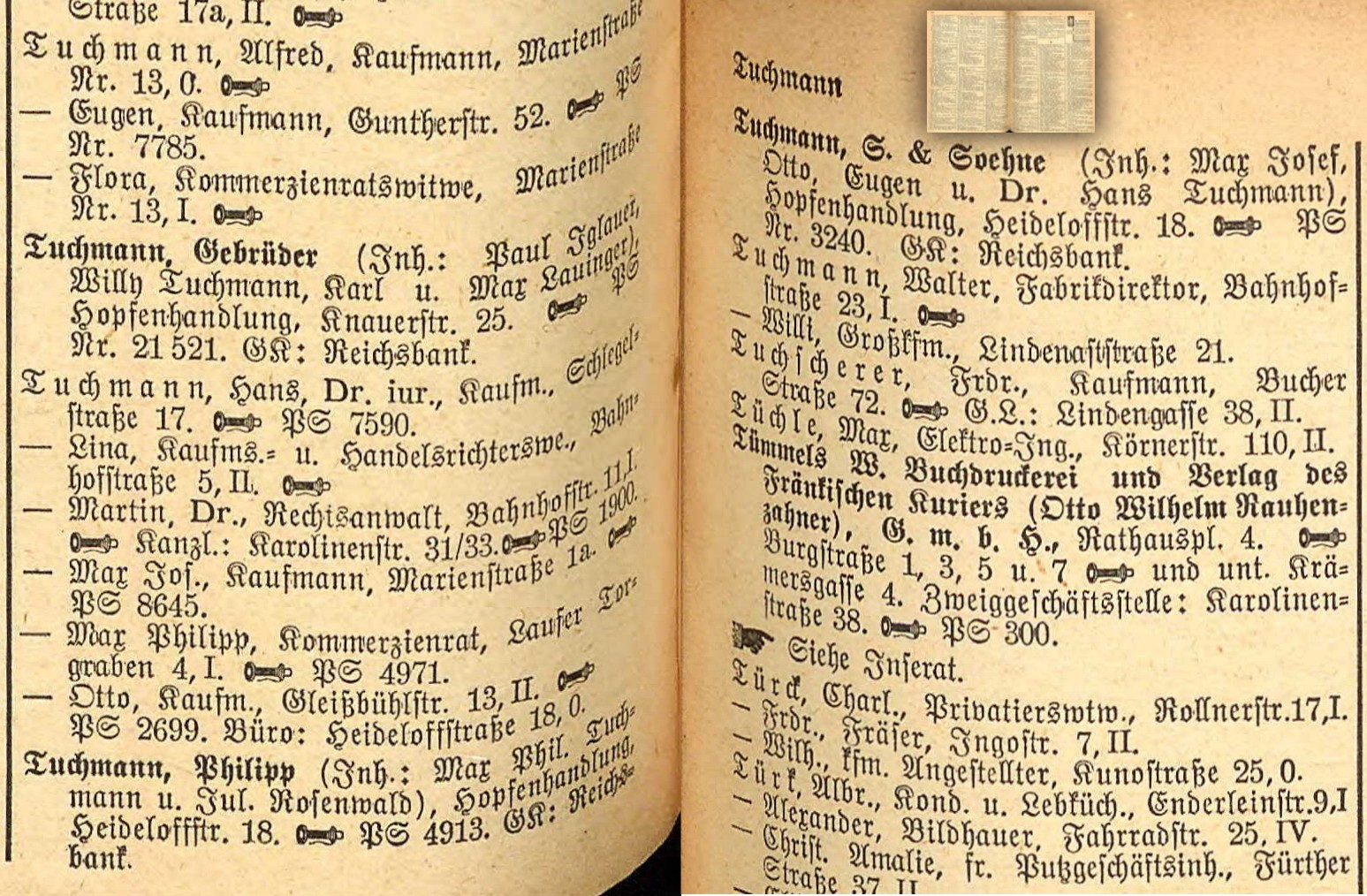
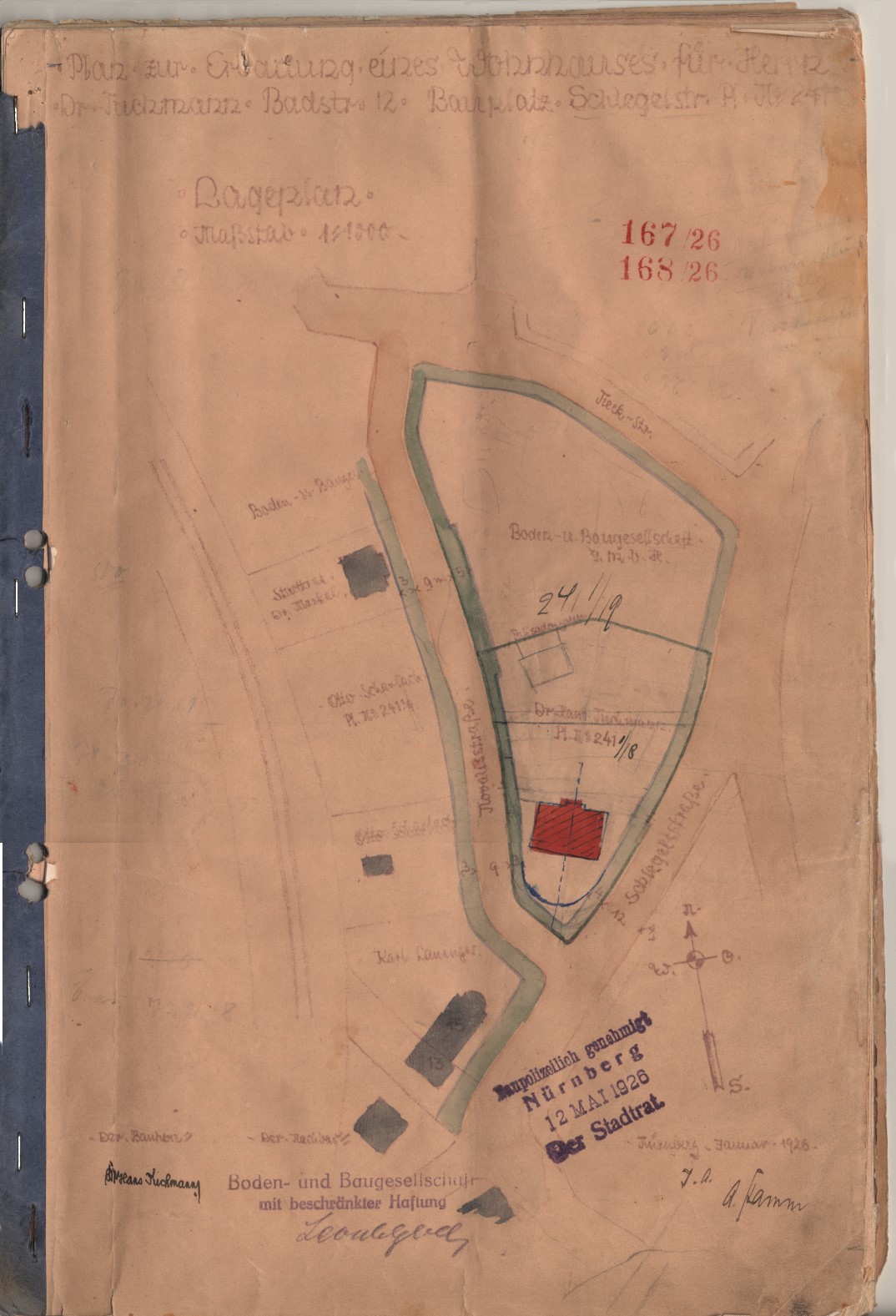
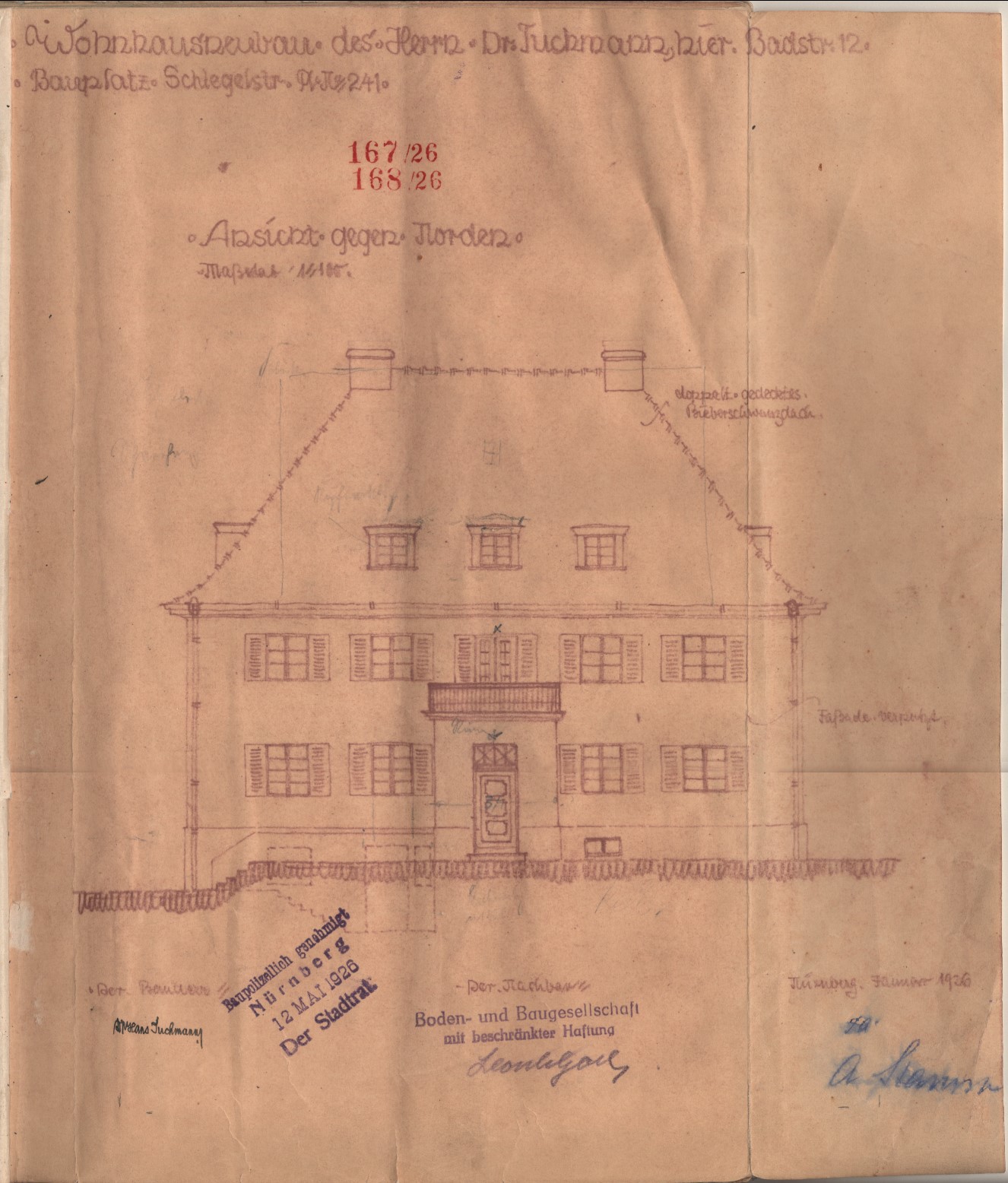
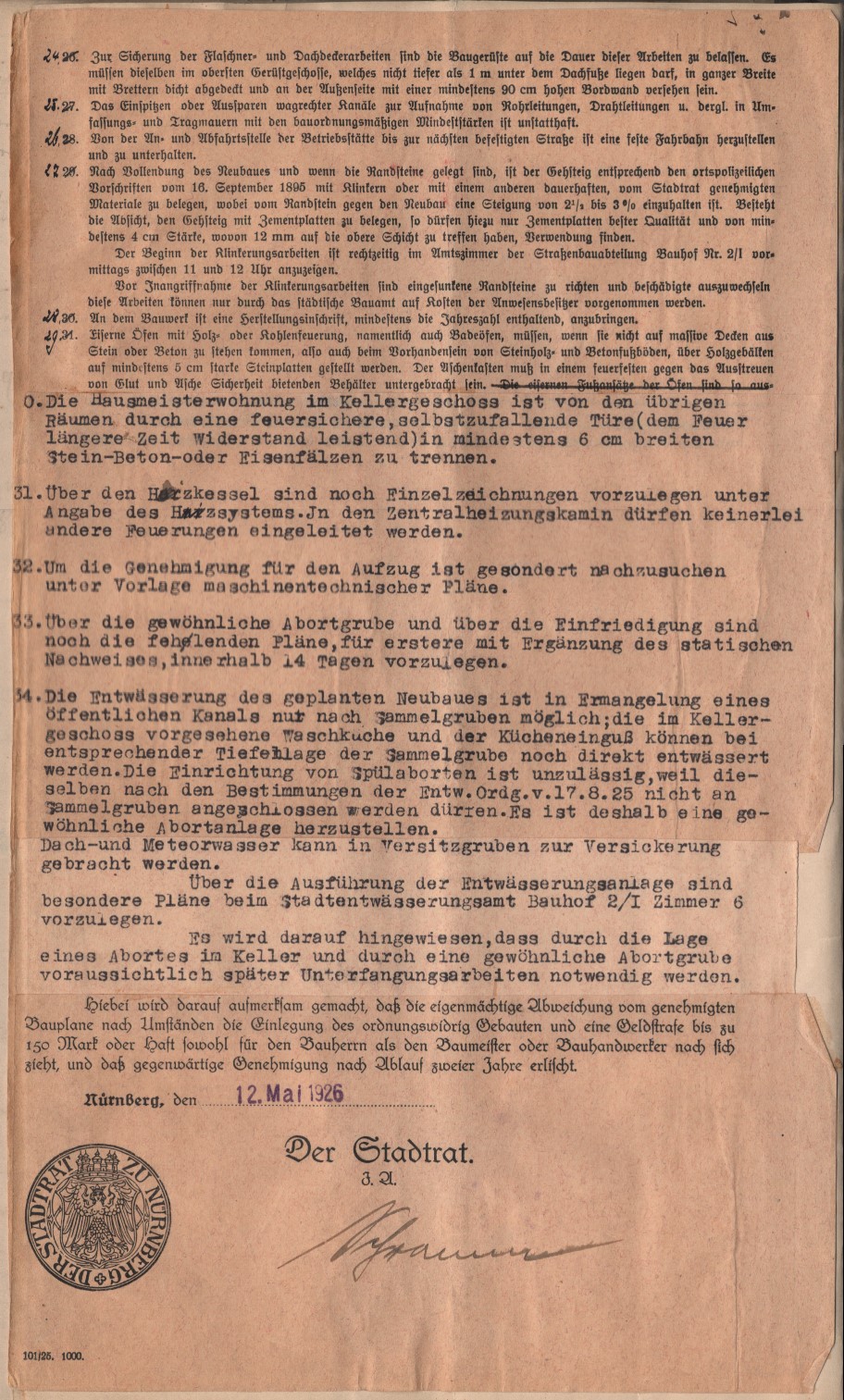
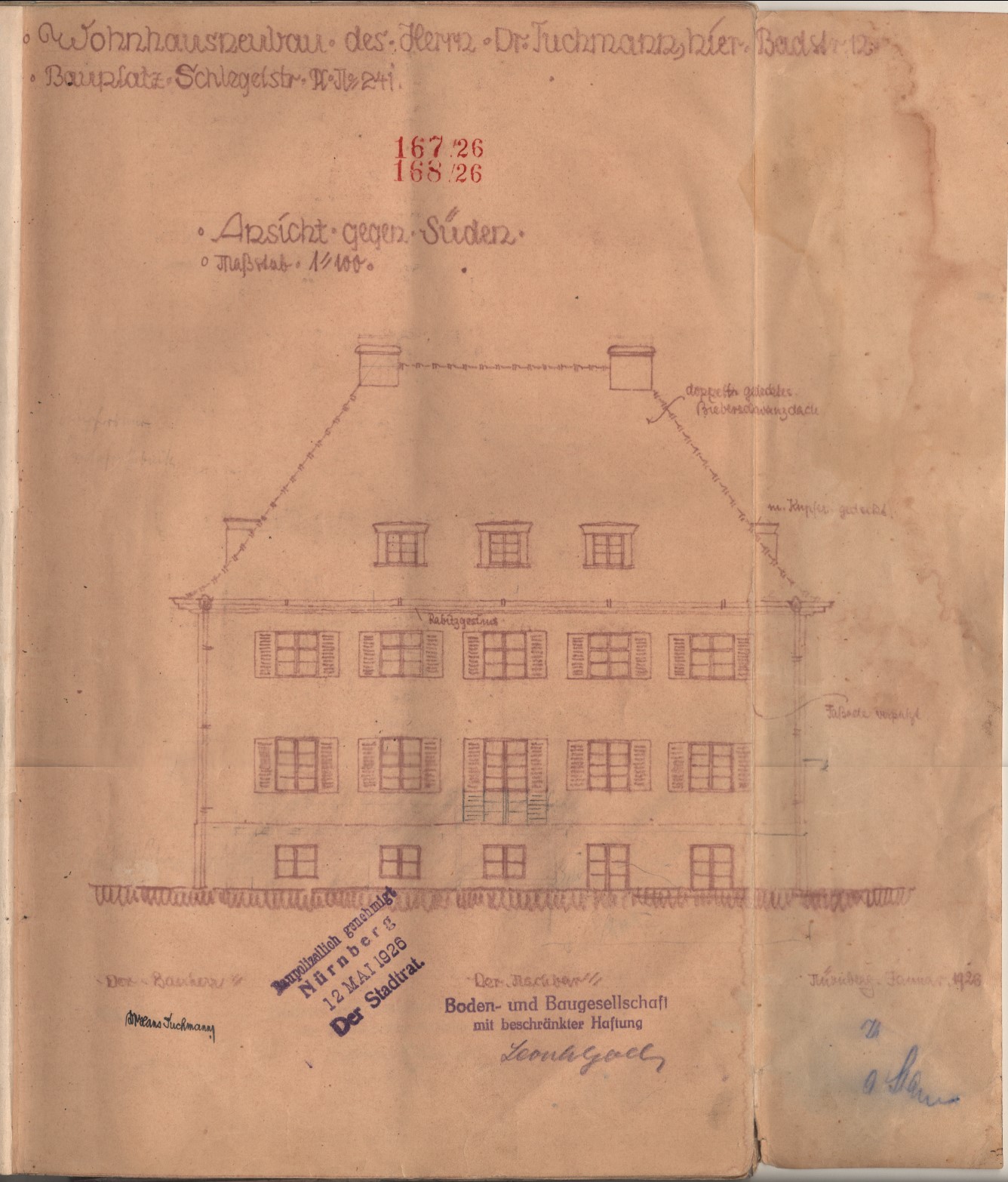
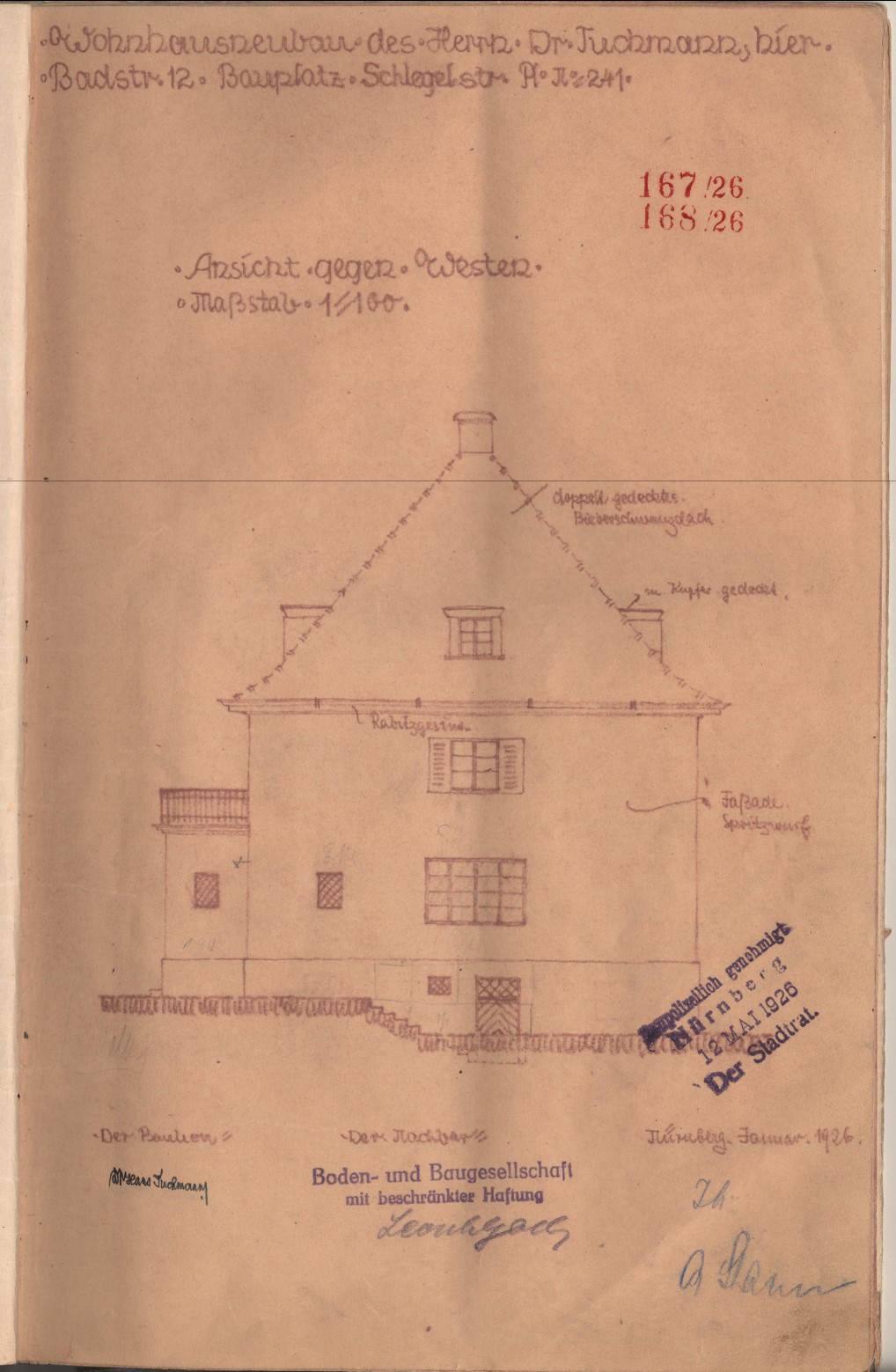
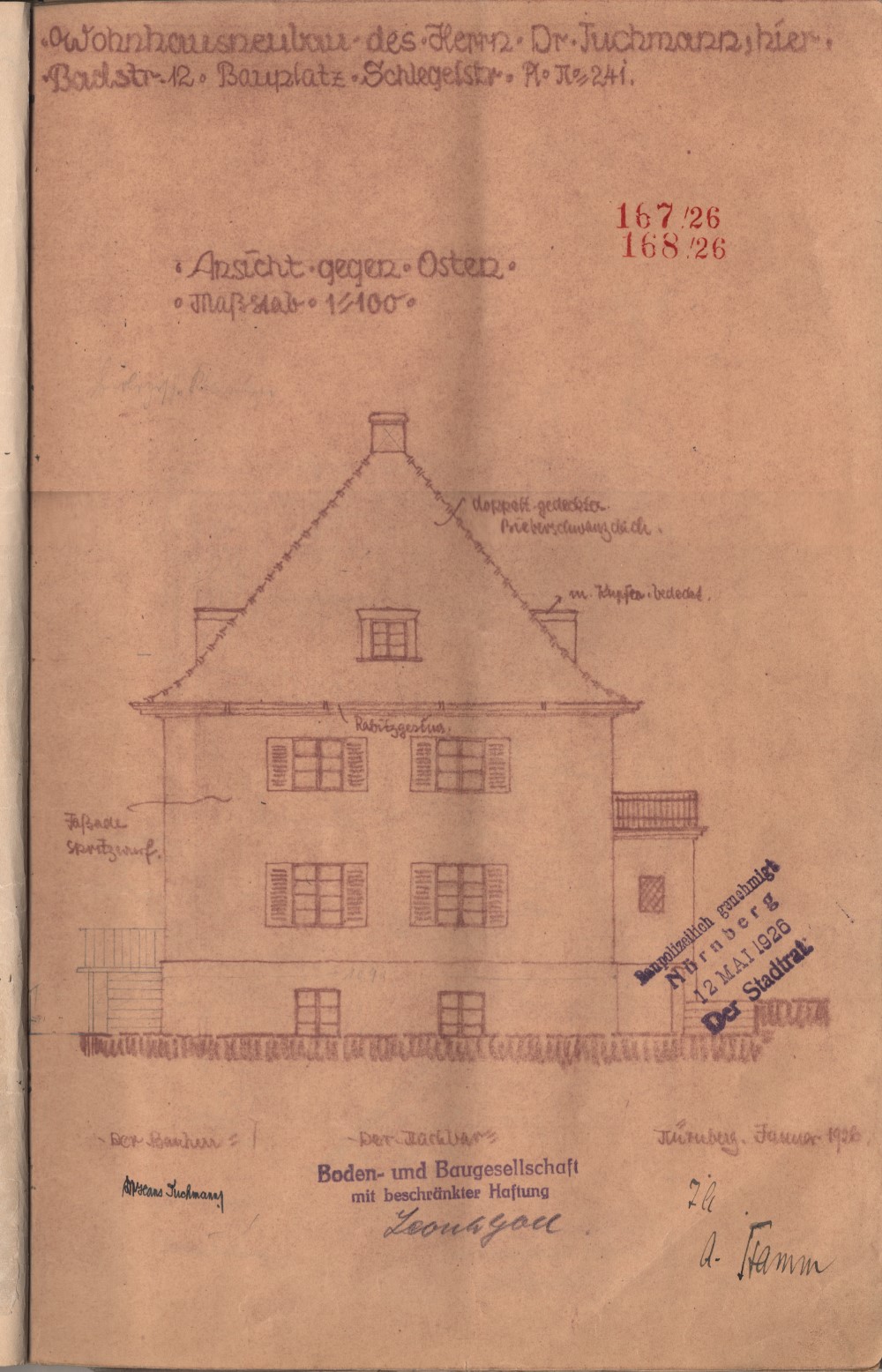
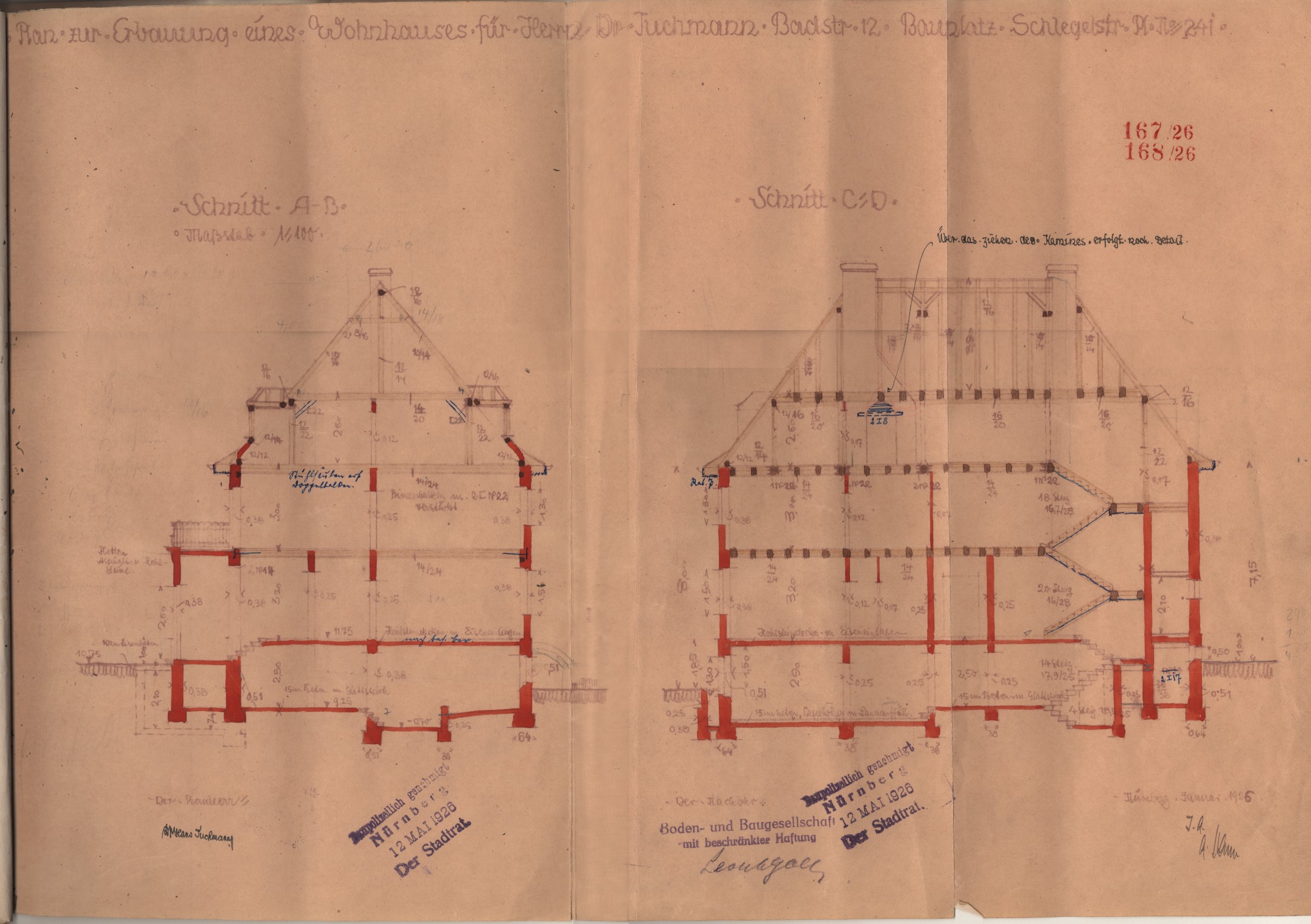
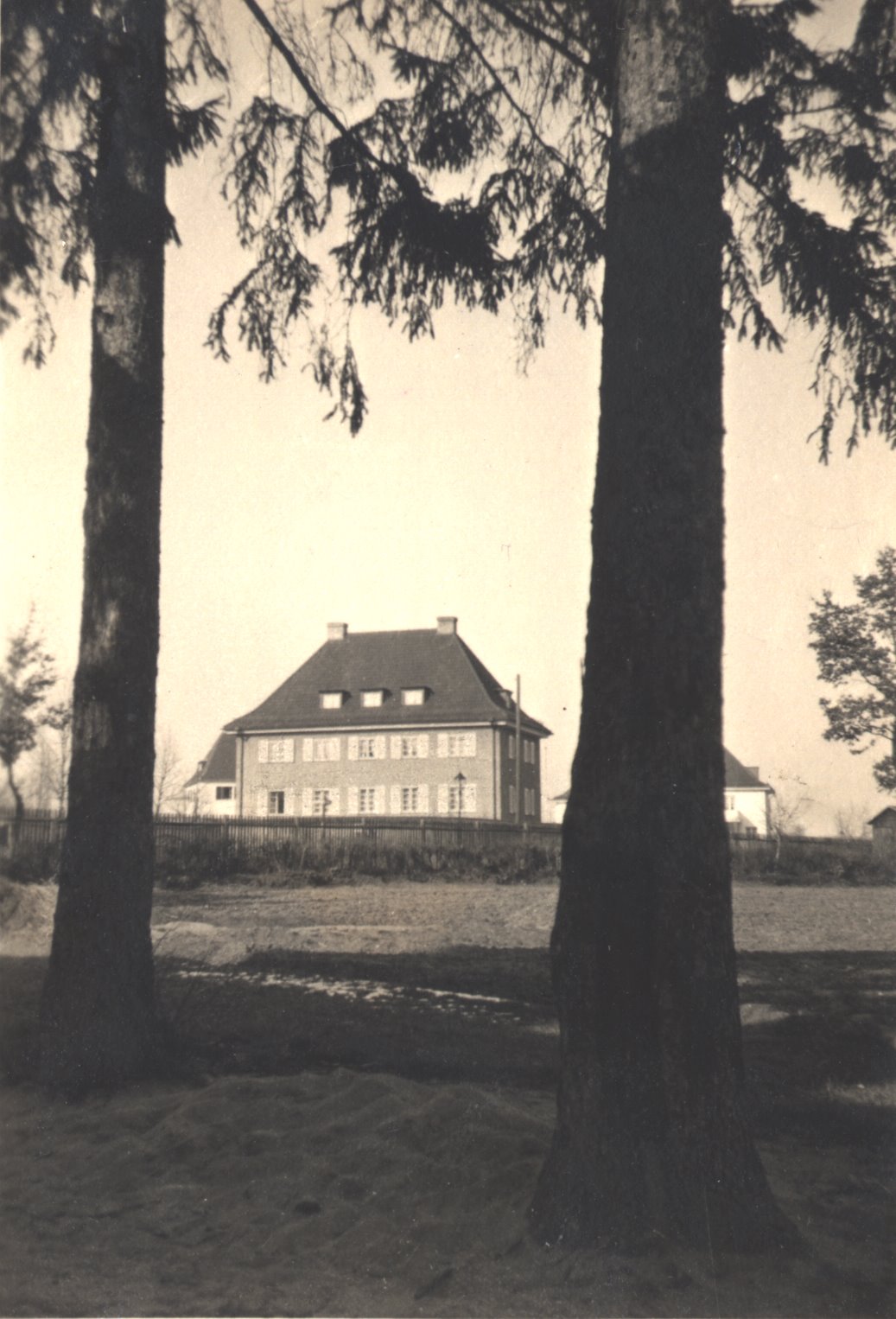
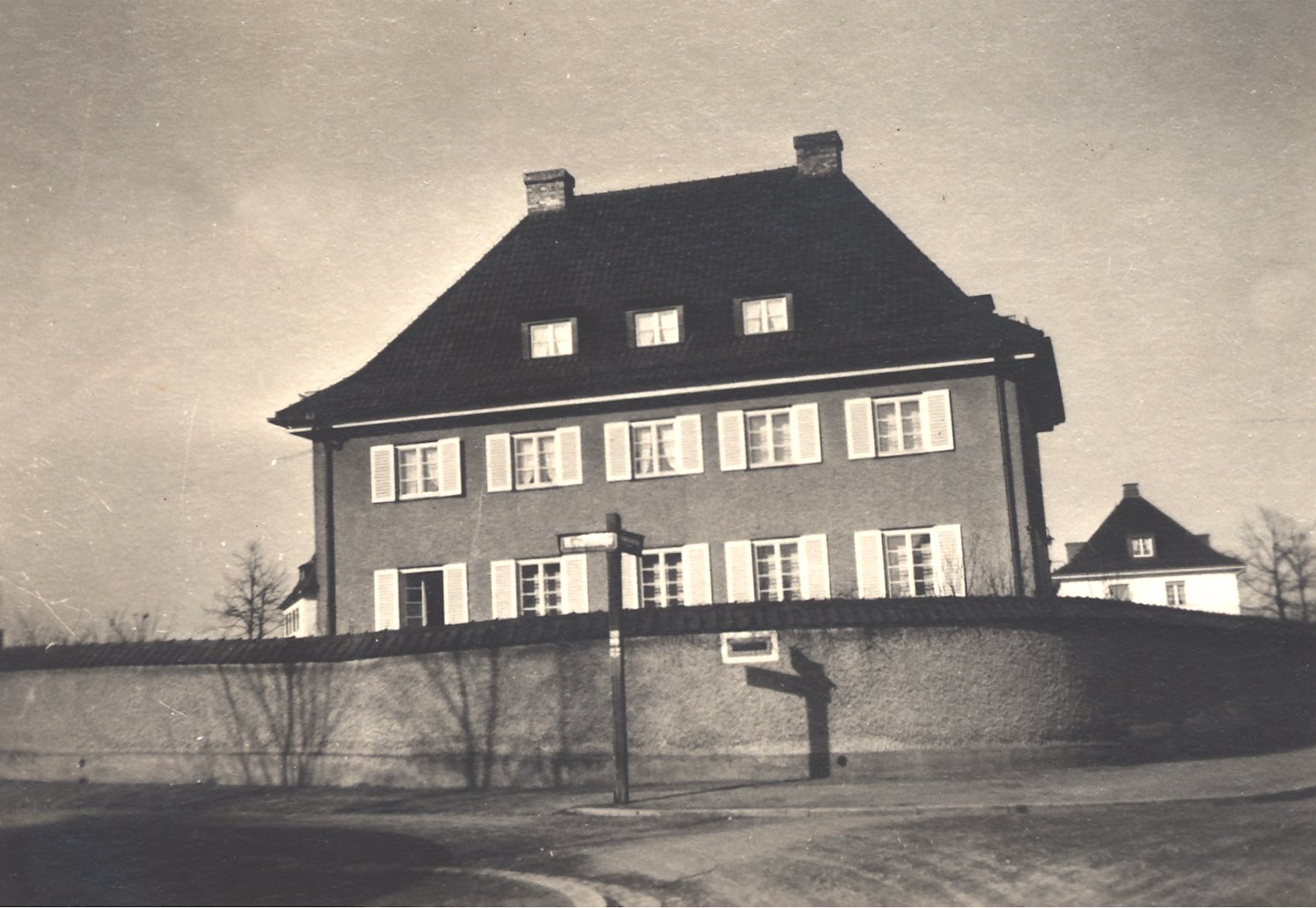
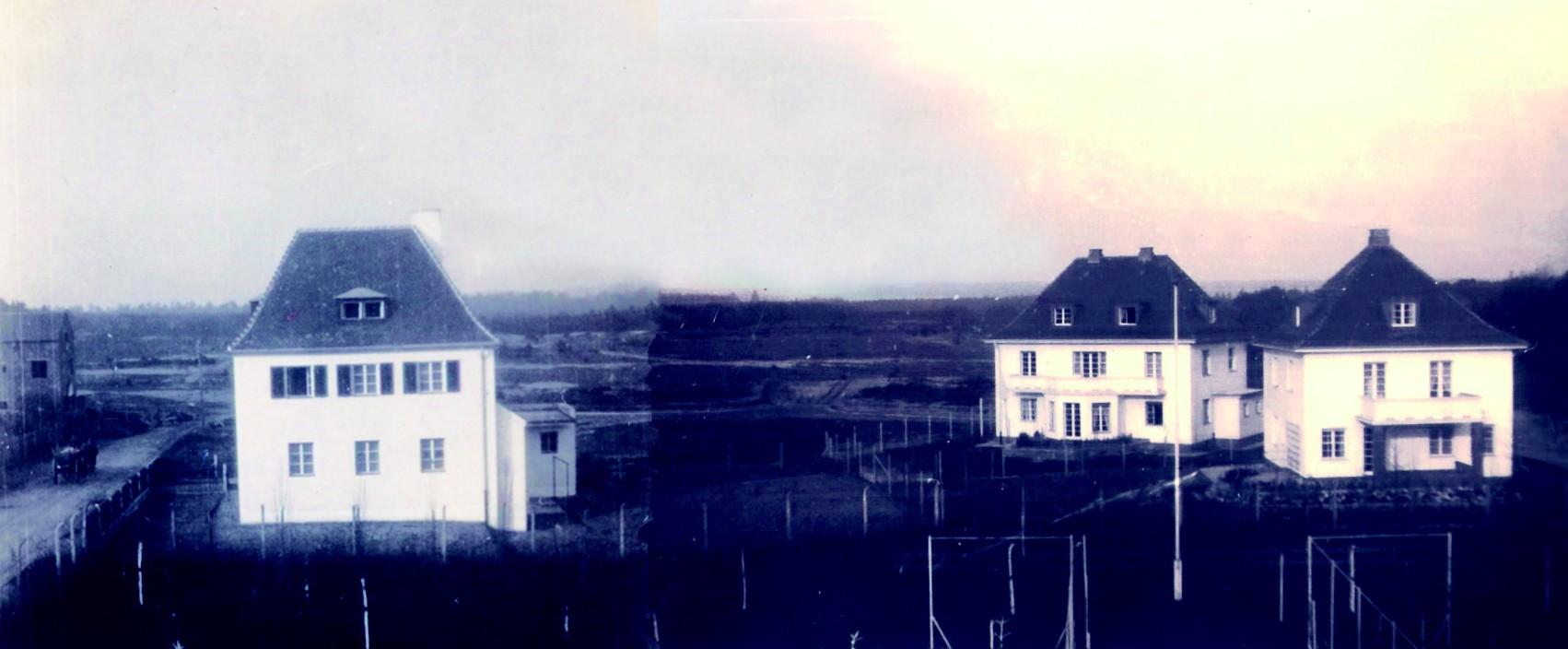
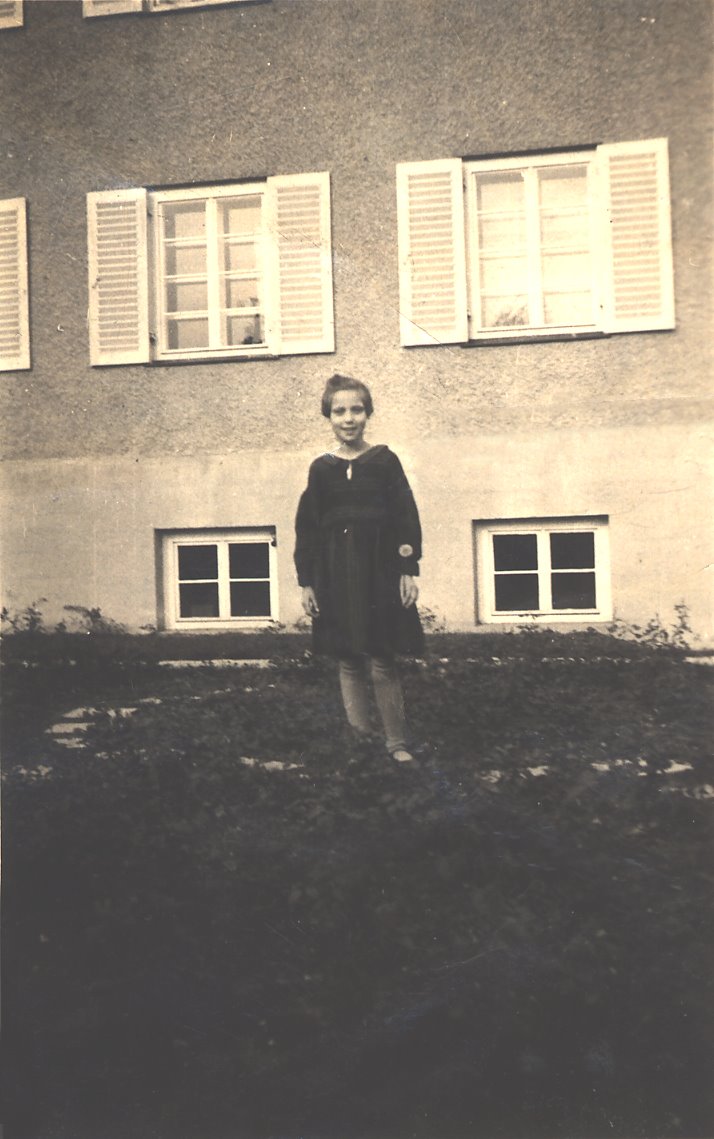
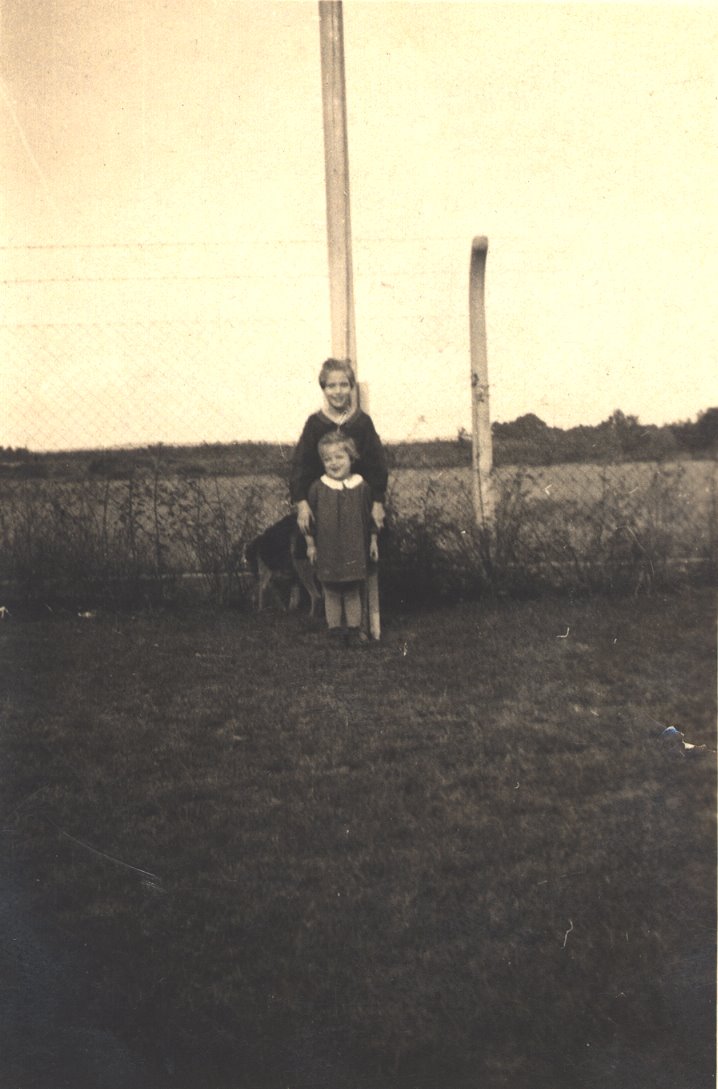
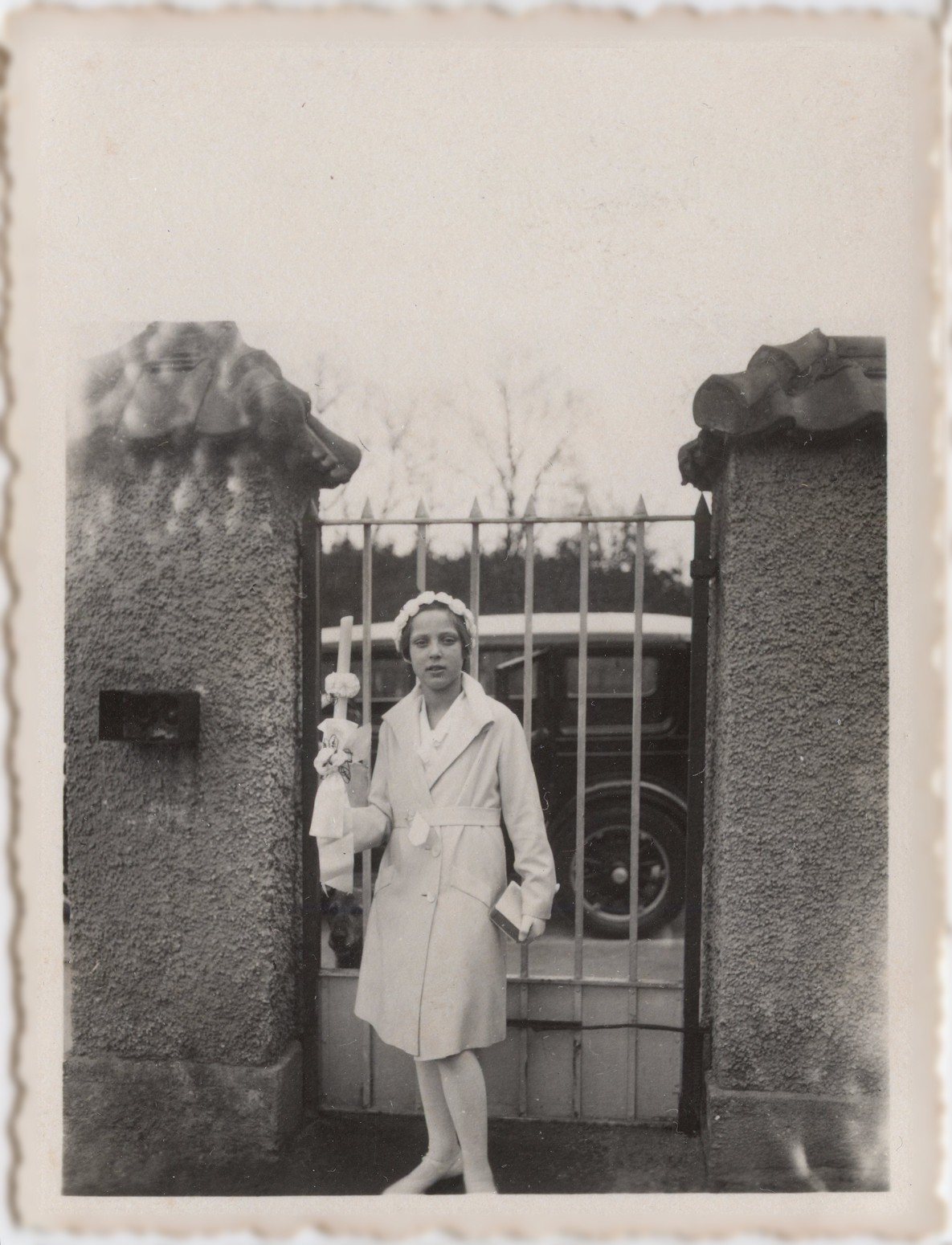
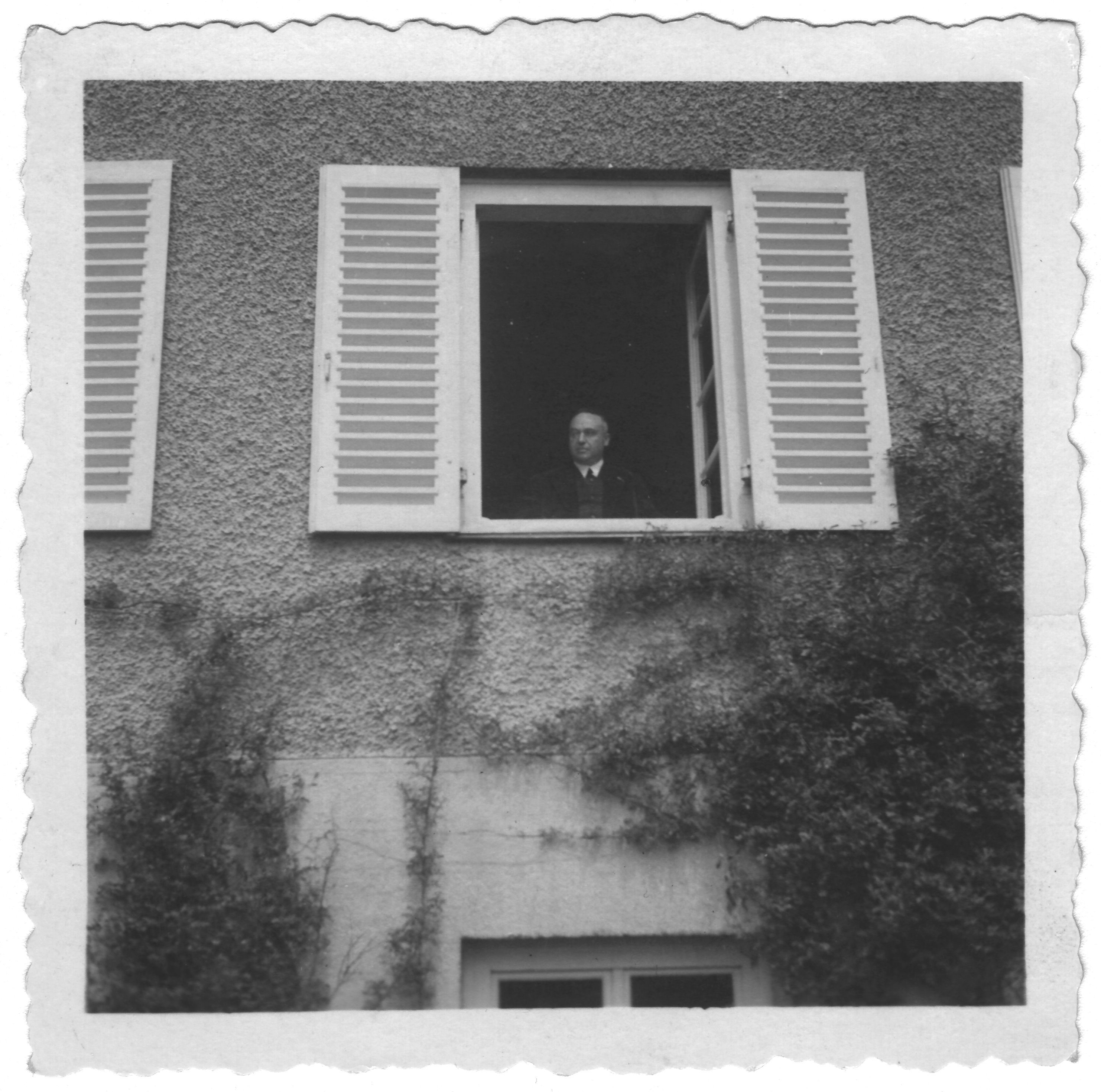
Until now, I was not aware that your grandparents were the ones who built this house, in which they were only able to live for ten years. After your family was forced to abandon the house, the Eras Family moved in. I assume that your Grandparents did not even get the money far below the value of the house as money from these kind of forced sales was often transferred to special accounts controlled by the government.
Mr Eras was a building contractor. Mr and Mrs Eras had two sons: One died as a child from diphtheria, the other one, Fritz (yes, a Fritz), was about 20 years old when they moved into the Schlegelstraße. I don't know exactly how much time passed between your family leaving for London and the Eras family moving into the house. They lived in the house and the building contractor's office was located in the first storey. After I met you this 8th of December, two days before my mother's death, I asked her if Mr Eras was a member of the NSDAP and if that was the reason why he was granted the house. ( I think members of the NSDAP were the first to be offered previously Jewish property) To this, my mother answered quite clearly: "I suspect he was".
In 1943 Fritz Eras and my mother got engaged. In 1944 (I'm not shure about the year dates) he got killed in battle and after the governance of the Nazis his father committed suicide. According to my mother, Mrs Eras blamed him for Fritz's death: There was a legal regulation that stated that if a family only had one son, this son needn't go to war. Mr Eras however urged his son to go to war because even fathers of families went. Was Mr Eras so convinced by National Socialism, by the Nazi regime, that he could not handle the collapse of the "Third Reich"? Or did he see no purpose in his life after the death of his last child? Maybe it was both.
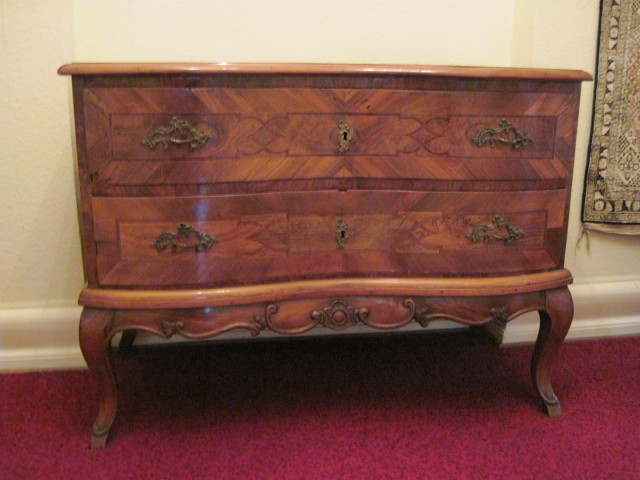
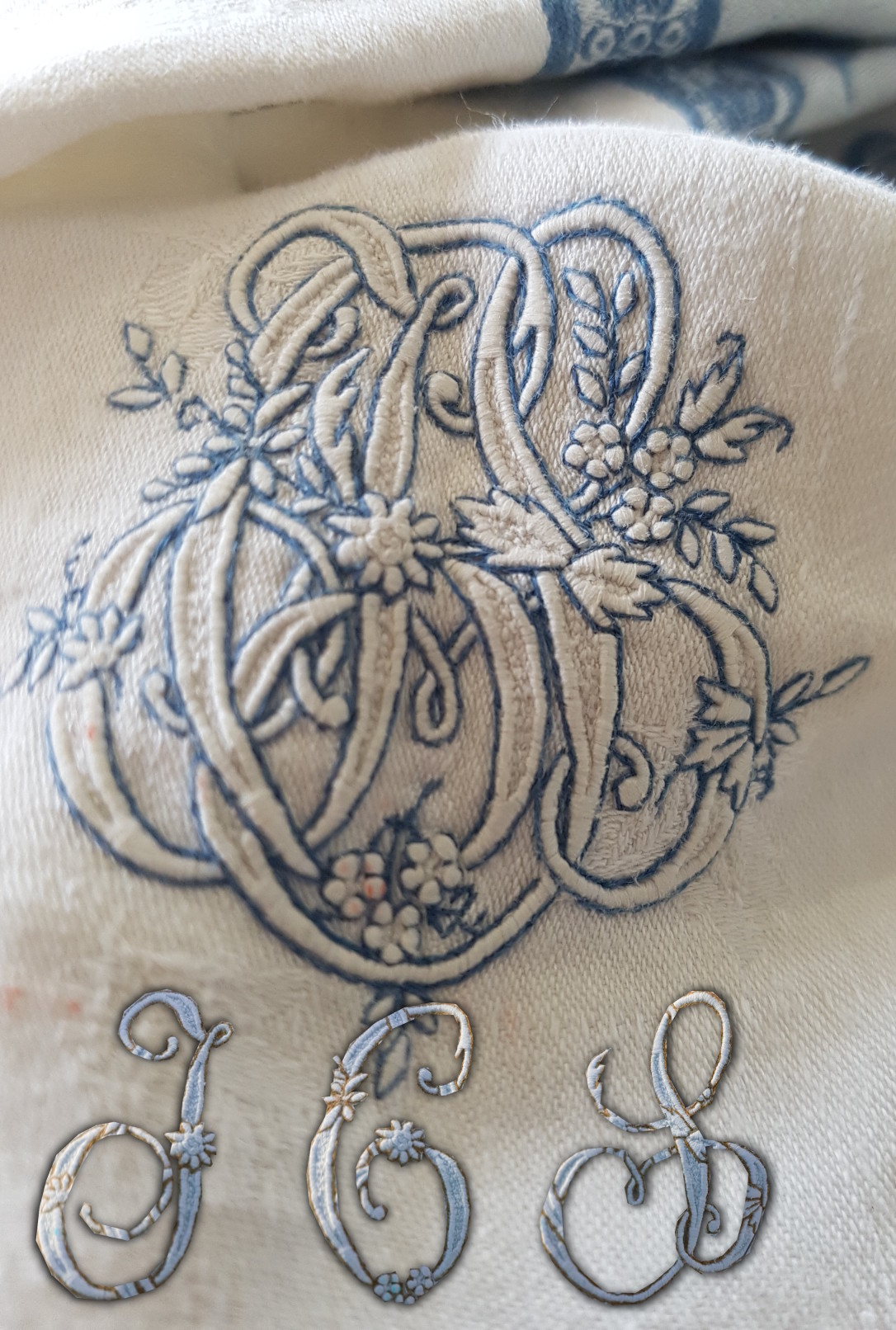
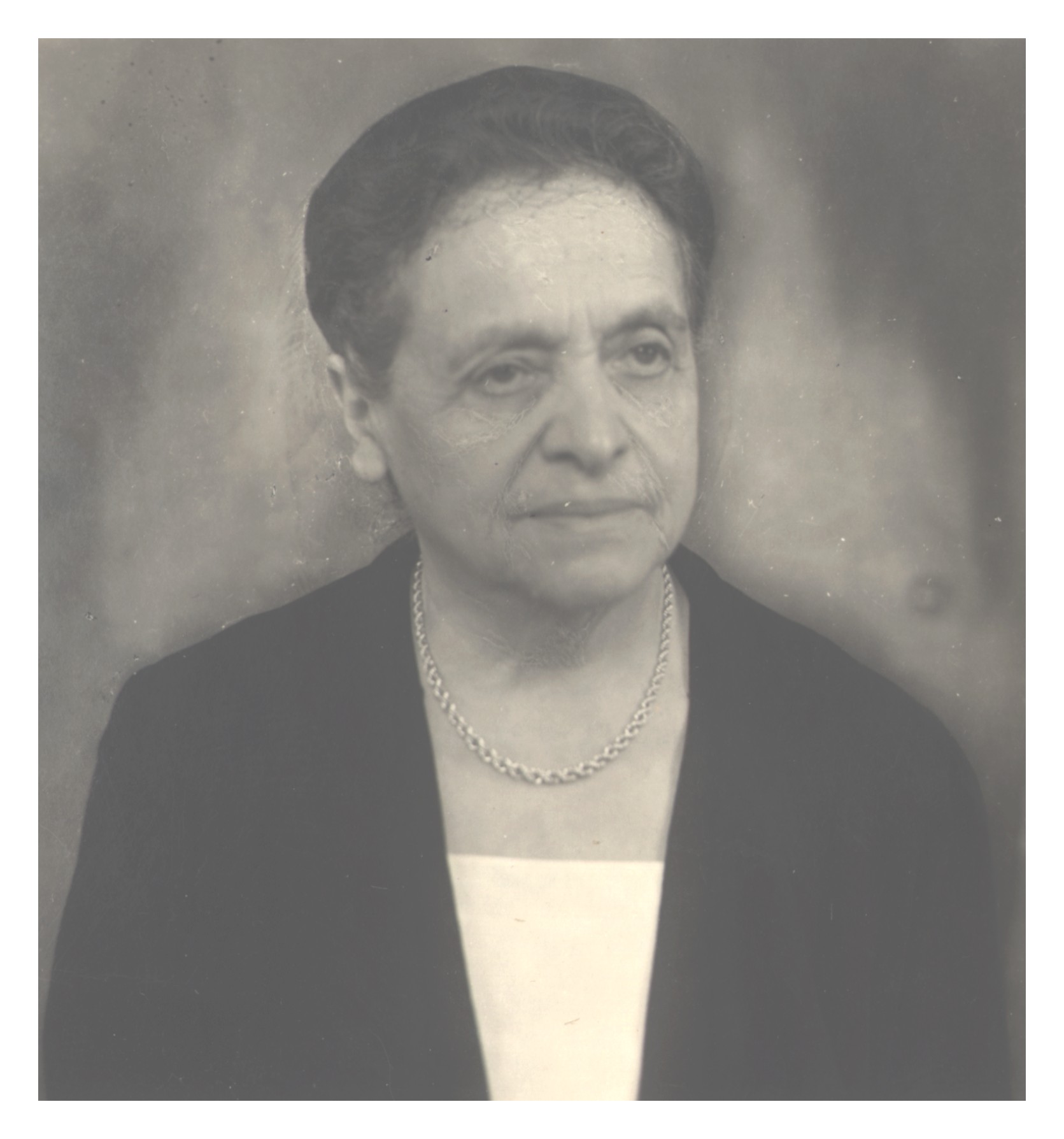
ß My mother married my father in 1945. My sister Ursula, who is going to write to you as well, was born in 1953, I was born in 1955 and my brother Hans in 1962. In my childhood, Mrs Eras was a regular visitor to our home (We lived in Erlangen, which is only a thirty minute drive from the Schlegelstraße). I remember her as withdrawn, lonely woman. She passed the house on to my mother and after Mrs Eras' death in 1966 we moved into the Schlegelstraße. My mother loved the house and its huge garden. From time to time she told us that there were still some tablecloths and a huge chest of drawers that belonged to the Tuchmann family and another tablecloth with a monogram of the Seidlein family indicating the owners. It always sounded like: This is a dark story from a dark time. I am not able to tell you more than that. But if someone from the Tuchmann family were to come along, I would be very happy to give their belongings back.
My brother, who lived in the Schlegelstraße throughout his entire childhood and adolescence and who associates a lot of memories with it, loves the house like his mother did. I feel a little different about the house: I was 12 years old when we moved in and from today's point of view I would say that our family's living in this house was a little bit inappropriately: This glove was too big for us. We were a middle class family living in an upper class house. This grand house called for grandeur and generosity but we were frugal and strict. Do you know what I mean? (And what is more it was the opposite of London in the 60th.)
In 1974, after secondary school, I moved out and did so gladly. My mother, who lived in the Schlegelstraße 17 until her stroke in August 2010, will probably have been the last of our family to be living there.
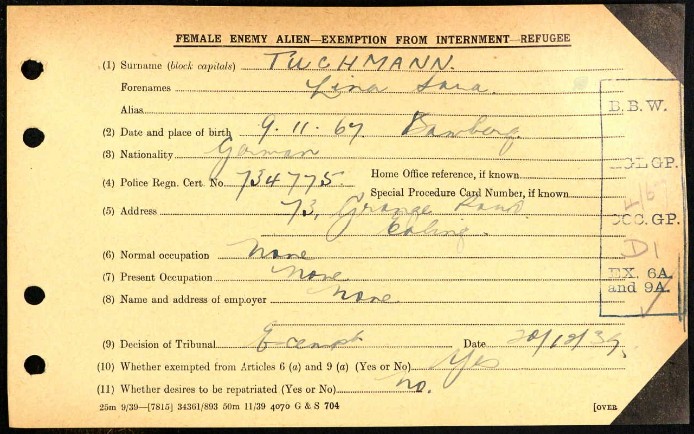
I would be very happy to hear from your aunt. I wonder what her memories of the Schlegelstraße and Nueremberg are like. What was it like for the Tuchmann family after they worked out that they could not stay in Germany?
I am so glad that we have met that day in the Schlegelstraße!
My daughter Vera translated the first email, this one is translated by my son Jan.
Greetings from Munich to you, your family and especially to your aunt Brigitte,
Yours Annette